


Team RAL: Forklift Driver Positions in Romford – Certified Drivers Needed for Busy Distribution Centers with Overtime Available
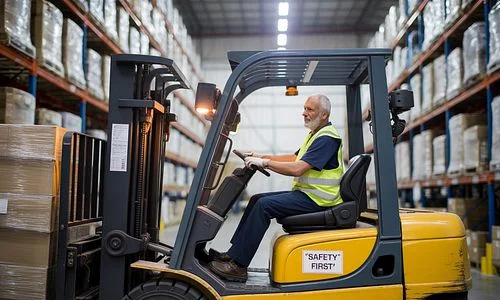
Are you a certified forklift driver looking for steady work with plenty of overtime opportunities in the Romford area? Team RAL is currently recruiting skilled forklift operators to join busy distribution centers across East London. With competitive pay rates, flexible shifts, and the chance to work with some of the UK's leading logistics companies, this could be the career move you've been waiting for.
Why Forklift Driving Jobs Are in High Demand in Romford
Romford has become a logistics powerhouse in recent years, strategically positioned to serve London and the wider South East. The town's proximity to major motorways like the M25 and A12, combined with excellent transport links, has attracted numerous distribution centers and warehouses to the area. This infrastructure boom means there's constant demand for qualified forklift operators who can keep goods moving efficiently through these facilities.
The e-commerce explosion has only intensified this need. Online shopping continues to grow year-on-year, and distribution centers are working around the clock to meet consumer expectations for rapid delivery. That's where you come in – certified forklift drivers are the backbone of these operations, ensuring products are stored safely, picked accurately, and dispatched on time.
What Makes Team RAL Different from Other Recruitment Agencies
Team RAL isn't just another recruitment agency churning through candidates. They've built their reputation on understanding both sides of the employment equation – what workers need from their jobs and what employers require from their teams. This dual perspective means they're not just filling positions; they're creating matches that work long-term.
Their focus on the logistics and warehousing sector means they've developed deep relationships with distribution centers throughout Romford and the surrounding areas. These aren't last-minute panic placements – Team RAL works with established facilities that offer stable employment, professional working environments, and genuine career progression opportunities.
What really sets them apart is their commitment to driver welfare. They understand that forklift operators need proper equipment, safe working conditions, and fair compensation. Before they'll work with any distribution center, they vet the facility thoroughly to ensure it meets their standards. This means when you accept a position through Team RAL, you can trust you're walking into a legitimate, well-managed operation.
The Role: What to Expect as a Forklift Driver in Romford Distribution Centers
Let's get into the specifics of what these positions actually involve. As a forklift driver in a busy distribution center, your primary responsibility is moving goods safely and efficiently throughout the warehouse. This includes unloading deliveries, transporting pallets to designated storage areas, picking orders for dispatch, and loading outbound vehicles.
The work environment is fast-paced but structured. You'll typically be operating counterbalance forklifts, reach trucks, or pallet trucks depending on the specific facility and your certifications. Each shift follows established procedures and safety protocols – this isn't a job where you're left to figure things out on your own.
Most distribution centers operate sophisticated warehouse management systems that track inventory in real-time. You'll likely be using handheld scanners or onboard terminals to log your movements and ensure accurate stock control. Don't worry if you haven't used these systems before – comprehensive training is provided when you start.
The physical demands are moderate. While the forklift does the heavy lifting, you'll still be on your feet for most of your shift, climbing on and off the vehicle, and performing visual checks of goods. The work keeps you active without being backbreaking, which many drivers appreciate as a nice middle ground.
Certification Requirements: What You Need to Apply
Here's the straightforward truth about forklift certification – you absolutely must have it. There's no getting around this requirement, and any agency or employer suggesting otherwise is putting you and others at risk. Team RAL only places certified drivers because they take safety seriously and work with professional facilities that demand proper qualifications.
The specific certification you need depends on the type of forklift you'll be operating. Most distribution centers in Romford primarily use counterbalance forklifts, so at minimum you'll need certification for this equipment type. If you also have reach truck or narrow aisle certification, that makes you even more valuable and opens up additional opportunities.
Your forklift license should be accredited by recognized bodies like RTITB (Road Transport Industry Training Board), ITSSAR (Independent Training Standards Scheme and Register), or AITT (Association of Industrial Truck Trainers). These certifications demonstrate you've received proper training in both the theoretical knowledge and practical operation of forklifts.
It's worth noting that forklift certifications don't expire in the legal sense, but health and safety regulations require refresher training every three to five years. Many employers prefer drivers who've completed recent training, so if your certification is older, consider booking a refresher course before applying. It shows you're committed to staying current with best practices.
If you're not yet certified but interested in entering the field, Team RAL can often advise on reputable training providers in the area. Getting your forklift license is an investment that typically pays for itself within weeks of starting work, and it's a qualification that remains valuable throughout your career.
Pay Rates and Overtime Opportunities
Let's talk money, because that's ultimately why we work. Forklift driver positions through Team RAL in Romford typically offer competitive hourly rates that reflect the skill level required and the current market demand. While exact rates vary by facility and shift pattern, you can generally expect between £12.50 and £14.50 per hour for standard time work.
What really boosts your earning potential is the overtime. Distribution centers don't shut down just because the regular shift ends – goods need to keep moving, especially during peak periods. Many drivers find they can easily add an extra 10-20 hours per week through overtime, which is often paid at enhanced rates. Time-and-a-half or even double-time for weekend work isn't uncommon.
Here's a realistic scenario: if you're earning £13 per hour for a standard 40-hour week, that's £520 before tax. Add in 15 hours of overtime at time-and-a-half (£19.50 per hour), and you're looking at an additional £292.50. That brings your weekly gross to £812.50, or approximately £42,250 annually. That's substantially higher than the UK median wage, and it's achievable without needing a university degree or years of specialized training.
The overtime isn't mandatory, which many drivers appreciate. If you want to maximize your earnings, the hours are there for you. If you prefer work-life balance and a predictable schedule, you can stick to your contracted hours. This flexibility is one of the reasons experienced drivers keep coming back to work with Team RAL – they're not pressured into unsustainable schedules.
Peak periods like the run-up to Christmas, Black Friday, and other major retail events often see even more overtime opportunities. Some drivers specifically save these periods for really pushing their earnings, then ease back during quieter months. It's a level of control over your income that many jobs simply don't offer.
Shift Patterns: Finding What Works for Your Lifestyle
Distribution centers operate 24/7/365, which means shift patterns vary widely. Team RAL works with facilities offering day shifts, night shifts, rotating patterns, and everything in between. This variety means you can usually find something that fits your personal circumstances.
Day shifts typically run from early morning (around 6 AM or 7 AM) through to mid-afternoon. These are popular with drivers who have families or prefer sleeping at night. You're working during conventional hours, which makes it easier to maintain a normal social life and attend to personal business.
Night shifts usually start late evening (10 PM or 11 PM) and run until early morning. These attract drivers who are natural night owls or those who appreciate the night shift premium that most facilities pay. There's often less management presence on nights, and some drivers prefer the more relaxed atmosphere. The flip side is you need to be disciplined about getting proper sleep during the day.
Some facilities offer 4-on-4-off or 5-on-2-off rotating patterns. These compressed schedules mean you work longer shifts (often 10-12 hours) but get more consecutive days off. Many drivers love this arrangement because those extended breaks give you real time to recharge, travel, or pursue other interests.
Weekend work is often available and typically comes with enhanced pay rates. If you're happy working Saturdays and Sundays, you can often negotiate better overall compensation packages. Conversely, if weekends with family are non-negotiable for you, there are plenty of Monday-to-Friday positions available.
The key is being clear about your preferences when you speak with Team RAL. They'll work to match you with facilities whose shift patterns align with what you're looking for. And if your circumstances change down the line, they can help you transition to different patterns or even different sites.
The Application and Placement Process
Getting started with Team RAL is straightforward, but it's worth understanding the process so you know what to expect. The first step is reaching out to express your interest. You can typically do this through their website, by phone, or sometimes in person at their offices. Have your forklift certification details handy, along with information about your work history.
You'll have an initial conversation where a recruiter will ask about your experience, qualifications, availability, and what you're looking for in a position. This isn't an interrogation – it's a two-way conversation where you should also ask questions about the roles they're looking to fill. Good recruiters appreciate candidates who know what they want.
Next comes the documentation stage. You'll need to provide proof of your forklift certification, identification documents, proof of your right to work in the UK, and references from previous employers. Getting these together before you start the process speeds things up considerably. Most positions require a basic DBS check as well, which Team RAL will typically arrange.
Once your paperwork is in order, Team RAL will present you with suitable opportunities. They'll give you details about the facility, the shift pattern, the pay rate, and what the role involves. You're under no obligation to accept the first position offered – it's about finding the right fit for both you and the employer.
When you've accepted a position, there's usually a brief orientation period. The distribution center will show you around the facility, introduce you to the team, familiarize you with their specific equipment and systems, and ensure you understand their safety protocols. This might be a few hours or a full shift, depending on the complexity of the operation.
Then you start properly, often with a more experienced driver showing you the ropes for the first few shifts. After that, you're working independently but always with support available if you need it. Team RAL maintains contact with their placed workers to ensure everything is going smoothly and to address any issues that might arise.
Safety Standards in Modern Distribution Centers
Safety isn't just a buzzword in professional distribution centers – it's the foundation everything else is built on. The facilities Team RAL works with take their health and safety obligations seriously, and as a forklift driver, you'll be at the center of many of these protocols.
Modern warehouses implement segregated traffic management, keeping forklift operating areas clearly separated from pedestrian zones wherever possible. You'll see marked walkways, barriers, and signage designed to prevent accidents before they happen. Where vehicles and people must interact, there are established procedures like mandatory horn use at intersections and reduced speed zones.
Forklifts themselves are well-maintained and regularly inspected. You'll be expected to conduct pre-shift checks on your vehicle, looking for any signs of damage, checking fluid levels, testing brakes and steering, and ensuring lights and warning devices are working properly. If you identify any issues, there's a clear reporting system to get them addressed immediately.
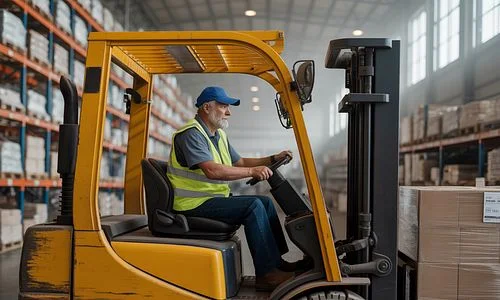
Personal protective equipment is provided and mandatory. At minimum, this means high-visibility clothing and safety footwear with protective toe caps. Depending on the specific operations, you might also need hard hats, gloves, or hearing protection. The employer provides this equipment – you shouldn't need to buy your own.
Load safety is another critical area. You'll receive training on proper loading techniques, weight distribution, stack height limits, and how to handle different types of goods. Distribution centers have maximum load weight limits clearly posted, and there's zero tolerance for overloading or unsafe practices that could lead to tip-overs or dropped loads.
Many facilities now use technology to enhance safety. This might include speed limiters on forklifts, blue spot lights that project ahead of vehicles to warn pedestrians, impact sensors that trigger alerts if a collision occurs, and even telematic systems that monitor driver behavior and provide coaching on safer operation.
The culture around safety is proactive rather than reactive. Near-miss reporting is encouraged without fear of blame, allowing facilities to identify and address potential hazards before anyone gets hurt. Regular safety briefings keep everyone updated on new procedures or lessons learned from incidents elsewhere.
Career Progression: Where This Job Can Take You
Starting as a forklift driver doesn't mean you're locked into that role forever. In fact, it's often an excellent entry point into the logistics industry with multiple progression pathways available to ambitious workers.
The most straightforward progression is expanding your equipment certifications. Once you're comfortable operating counterbalance forklifts, you might train on reach trucks, very narrow aisle (VNA) trucks, or specialized equipment like order pickers or pivot-steer vehicles. Each additional certification makes you more valuable and typically comes with higher pay rates.
With experience, you might move into a lead driver or trainer role. These positions involve not just operating forklifts yourself but also mentoring newer drivers, conducting training sessions, and sometimes overseeing forklift operations across a shift. It's a step toward leadership without leaving the floor entirely.
Many warehouse supervisors and team leaders started as forklift drivers. Once you understand the flow of goods through a distribution center from a hands-on perspective, you have the foundation to coordinate others and manage operations. Some facilities prefer promoting from within because these supervisors already know the systems and have proven themselves reliable.
Inventory control and warehouse administration are other potential directions. The attention to detail and systematic thinking required for safe forklift operation translate well to roles managing stock accuracy, coordinating inbound and outbound shipments, or handling the administrative side of warehouse operations.
Some drivers eventually move into health and safety roles, becoming the people who develop and enforce the protocols you started your career following. Your practical experience operating equipment gives you credibility that purely administrative safety officers sometimes lack.
The logistics industry itself offers even broader opportunities. Distribution center management, transport coordination, supply chain analysis, and procurement roles all benefit from people who've worked on the warehouse floor and understand how goods actually move through the system.
Team RAL supports career development by maintaining relationships with you even after initial placement. As opportunities arise that match your growing experience and qualifications, they can help facilitate internal moves or transitions to positions with greater responsibility and compensation.
The Romford Advantage: Living and Working in East London
Working in Romford offers practical advantages that make your daily life easier. The area's transport infrastructure means getting to work is generally straightforward whether you drive or use public transport. Most distribution centers have free parking if you're bringing your own vehicle, and many are accessible via local bus routes.
The cost of living in Romford is notably lower than inner London while still offering urban amenities. If you're relocating for work, you'll find your wages go further here than they would in more central areas. Accommodation options range from house shares for younger workers to family homes with gardens for those at different life stages.
Romford itself has been undergoing significant regeneration, with improved shopping facilities, entertainment options, and community resources. You're not stuck in some isolated industrial estate – you're in a proper town with everything you need for daily life.
For those with families, the area has decent schools and plenty of parks and recreational facilities. The work-life balance that comes from having consistent employment with manageable commute times is genuinely valuable, especially compared to roles requiring long-distance travel or staying away from home.
The community of logistics workers in the area is substantial, which creates a certain camaraderie. You'll likely meet other forklift drivers through work who live nearby, creating social connections and support networks. Many drivers find they genuinely enjoy being part of this professional community.
What Employers Look For Beyond Just Certification
Having your forklift license is the baseline, but the drivers who consistently get chosen for the best positions bring additional qualities to the table. Understanding what employers value helps you present yourself effectively and succeed once you're placed.
Reliability tops the list. Distribution centers operate on tight schedules with carefully planned staffing levels. Drivers who show up on time, ready to work, and maintain good attendance records become invaluable. If you're the person the facility can count on, you'll be first in line when overtime or permanent positions become available.
Attention to detail matters enormously. Picking the wrong product, loading it onto the wrong vehicle, or storing it in the incorrect location creates cascading problems throughout the supply chain. Drivers who work accurately, double-check order numbers, and ask questions when something seems off are worth their weight in gold.
Positive attitude and teamwork make the work environment better for everyone. Distribution centers function through coordination between drivers, pickers, loaders, and administrators. Being someone who communicates clearly, helps out when colleagues need assistance, and maintains professionalism even during busy periods makes you a valued team member.
Initiative and problem-solving ability set good drivers apart from great ones. Sometimes equipment malfunctions, stock is stored in unexpected locations, or urgent orders need special handling. Drivers who can think on their feet, propose solutions, and handle unusual situations independently reduce management burden and keep operations flowing.
Physical fitness is more important than people sometimes realize. While the forklift does the heavy lifting, you need stamina to stay alert and focused through long shifts, especially if you're working overtime. Taking care of your health means you can work consistently without burning out.
Willingness to learn and adapt is crucial in modern warehousing. Systems get upgraded, new product lines are introduced, and procedures evolve. Drivers who embrace change rather than resisting it position themselves for long-term success in the industry.
Common Challenges and How to Handle Them
Every job has its challenges, and forklift driving is no exception. Being prepared for potential difficulties means you can handle them professionally when they arise rather than being caught off guard.
Repetitive strain can develop if you're not careful about ergonomics. Forklift driving involves repetitive movements and holding certain positions for extended periods. Taking care to maintain good posture, using equipment adjustments to find comfortable settings, and doing simple stretches during breaks helps prevent cumulative injuries.
Monotony affects some drivers, particularly in facilities where you're essentially repeating the same tasks throughout your shift. Finding mental strategies to stay engaged – setting personal efficiency targets, volunteering for varied tasks when possible, or using the rhythm of work as a form of active meditation – helps combat boredom.
Pressure during peak periods can be intense. When trucks are backed up waiting to be unloaded or dispatch deadlines are looming, there's urgency in the air. Remember that safe operation always comes first – rushing leads to accidents that create far bigger delays than working methodically. Good supervisors understand this balance and won't pressure you to cut corners.
Workplace conflicts occasionally arise, just as they do in any environment where people work together closely. Professional communication and knowing when to escalate issues to management prevents small disagreements from becoming major problems. Team RAL also serves as a resource if you encounter workplace difficulties that need outside perspective or intervention.
Weather can be a factor, particularly in facilities where loading docks are open to the elements or where you're moving between indoor and outdoor areas. Dressing in layers, staying hydrated, and taking prescribed breaks helps you maintain comfort and focus regardless of conditions.
Equipment issues happen despite maintenance schedules. Knowing how to report problems properly and not attempting to operate faulty equipment protects both you and others. There's never any embarrassment in saying a forklift isn't safe to use – that's exactly the attitude professional facilities want from their drivers.
The Bigger Picture: UK Logistics and Your Role in It
It's worth stepping back occasionally to appreciate that as a forklift driver, you're part of the system that keeps the UK economy moving. Every item people order online, every product stocked on retail shelves, and every component that arrives at manufacturing facilities passes through distribution centers like the ones where you work.
The logistics sector employs millions across the UK and represents a significant portion of GDP. It's an essential industry that proved its critical importance during the pandemic when supply chains came under unprecedented strain. Forklift drivers weren't just going to work – you were keeping the country supplied with essential goods.
This perspective matters when you're having a tough shift or wondering whether this career path was the right choice. You're not just moving pallets around a warehouse. You're fulfilling someone's order, enabling a business to serve its customers, and contributing to the complex web of commerce that defines modern life.
Understanding your role in the broader system also highlights why professional operation matters so much. Errors and accidents don't just affect you and your immediate workplace – they ripple outward, affecting delivery schedules, customer satisfaction, and business reputation. The attention you bring to your work has real-world consequences.
The growth trajectory of UK logistics suggests strong ongoing demand for skilled forklift operators. E-commerce continues expanding, manufacturing is becoming more just-in-time oriented requiring frequent deliveries, and global supply chain disruptions have led companies to hold more domestic inventory. All of these trends point to continued investment in distribution infrastructure and need for workers like you.
Making Your Application Stand Out
When you're ready to apply for forklift positions through Team RAL, there are specific things you can do to make yourself a more attractive candidate from the start.
First, organize your documentation before initiating contact. Have digital copies or clear photos of your forklift certification, driver's license, proof of address, and NI number ready to send. This responsiveness signals you're organized and serious about working.
Prepare a clear work history, even if you haven't held conventional jobs. If your forklift experience is limited but you've worked in warehousing, manufacturing, construction, or other physical roles, that demonstrates work ethic and familiarity with industrial environments. Be honest about your experience level – facilities are often happy to take less experienced drivers who show the right attitude.
If you have additional certifications or training beyond basic forklift operation, make sure to mention them. First aid certification, health and safety courses, warehouse management system familiarity, or even good computer literacy can differentiate you from other candidates.
References matter more than many people realize. If you can provide contact details for previous supervisors or colleagues who'll speak positively about your reliability and work quality, that carries significant weight. Give your references a heads-up that they might be contacted so they're prepared to give you a good recommendation.
During your conversation with Team RAL recruiters, ask intelligent questions about the facilities they work with, typical career paths for drivers they've placed, and what makes successful workers in these roles. Engaging actively in the conversation rather than just answering questions demonstrates genuine interest rather than desperate job searching.
Be realistic and honest about your availability and constraints. If you can only work certain shifts or need specific accommodations, saying so upfront saves everyone time and prevents mismatched placements. Good recruiters appreciate candidates who know what they need and communicate it clearly.
Follow up appropriately without being pushy. If you've submitted information and haven't heard back within the timeframe discussed, a polite check-in email or call is perfectly acceptable. Persistence shows motivation, though there's a line between being keen and being annoying – use your judgment.
Conclusion
If you've read this far, you're clearly serious about exploring forklift driver opportunities in Romford. The logistics sector offers genuine career prospects for people willing to get properly certified and commit to professional operation. It's not glamorous work, but it's honest, necessary, and can provide a solid living with room for advancement.
Team RAL's focus on the Romford distribution center market means they've established themselves as a reliable bridge between qualified drivers and reputable facilities. They understand the local employment landscape, maintain relationships with multiple employers, and can help you find positions that match your skills, certifications, and personal circumstances.
The demand for forklift operators isn't going away. As long as goods need to be stored, moved, and shipped, there will be need for skilled drivers who can operate equipment safely and efficiently. Securing your position in this field now sets you up for stable employment with earning potential that compares favorably to many roles requiring far more formal education.
Whether you're an experienced driver looking for better opportunities or you've recently obtained your forklift certification and want to put it to use, reaching out to Team RAL is a logical next step. Prepare your documentation, think about what shift patterns and working conditions suit you best, and make contact to discuss what's currently available.
The combination of competitive pay, abundant overtime for those who want it, career progression pathways, and the inherent job security of working in essential logistics operations makes these positions worth serious consideration. Romford's distribution centers are busy, professional environments where your skills are needed and valued. All that's missing is you getting started.
Take the initiative to connect with Team RAL today and begin the conversation about your future as a forklift driver in one of East London's thriving distribution centers. Your certification is valuable, your work matters, and the opportunities are there waiting for qualified professionals ready to step into them.
Frequently Asked Questions
Q: Do I need previous warehouse experience to apply for forklift driver positions through Team RAL?
A: While previous warehouse experience is certainly helpful, it's not always required if you have valid forklift certification. The most critical requirement is holding proper accreditation for the forklift types you'll be operating. Team RAL places drivers at various facilities with different requirements – some want experienced operators while others are happy to take certified drivers who are newer to the field. When you speak with their recruitment team, be honest about your experience level and they'll match you with appropriate opportunities. Many distribution centers provide comprehensive onboarding and training on their specific systems, so your forklift certification combined with a strong work ethic and willingness to learn can be enough to get started.
Q: How quickly can I start working after contacting Team RAL about forklift positions?
A: The timeline from initial contact to your first shift varies depending on several factors, but it can be quite quick if everything aligns. Once you've provided all necessary documentation (forklift certification, ID, right to work, references), and completed any required background checks, placement can sometimes happen within days. The most common delay is waiting for DBS check results, which can take anywhere from a few days to a couple of weeks depending on the level required and current processing times. If you're organized with your paperwork and responsive to requests for information, and if Team RAL has immediate openings that match your qualifications and availability, you could potentially be working within a week. However, it's wise to allow 2-3 weeks for the entire process to avoid putting pressure on yourself financially while things are being arranged.
Q: Is the overtime truly optional, or will I be pressured to work extra hours regularly?
A: Professional distribution centers understand that mandatory overtime leads to exhausted, less productive workers and higher accident risks, so they genuinely want overtime to be voluntary. That said, there's a practical reality that workers who regularly accept overtime do become more valued and may get first consideration for permanent positions or advancement opportunities. Team RAL works specifically with facilities that respect work-life balance, and if you're clear about your boundaries from the start, that should be respected. Many drivers find a middle ground where they're available for overtime during certain periods but not others, or where they'll do extra hours on specific days but keep others protected for personal commitments. The key is communicating your availability clearly and consistently so the facility can plan accordingly rather than constantly asking last-minute.
Q: What happens if I'm placed at a distribution center and it's not a good fit for me?
A: One advantage of working through a recruitment agency like Team RAL rather than being directly employed is the flexibility to address placement issues. If you find yourself at a facility where the working environment, management style, or role expectations don't match what you were told or what you're comfortable with, you should first try addressing concerns through proper channels at the workplace. However, if issues can't be resolved, Team RAL can work to move you to a different facility. They maintain their reputation by keeping both clients and workers satisfied, so it's in their interest to ensure placements work well. That said, frequent requests to change placements can reflect poorly on you as a worker, so it's important to give each opportunity a fair chance and be clear about what specifically isn't working. Good communication with both the facility and Team RAL helps resolve most issues before they become serious problems.
Q: Can I eventually transition from temporary or agency work to a permanent position at a distribution center?
A: Absolutely – this is actually a common career path for forklift drivers. Many distribution centers use agencies like Team RAL to fill immediate needs and to essentially trial workers before offering permanent employment. If you prove yourself reliable, competent, and a good cultural fit during your time working through the agency, facilities often approach good workers about transitioning to direct employment. This typically comes with benefits like holiday pay, pension contributions, sick pay, and sometimes enhanced hourly rates or salary positions. The timeline varies – some workers get permanent offers within months while others remain happily on agency terms for years because they prefer the flexibility. If permanent employment is your goal, make that clear to both Team RAL and the facility supervisors you work with. Consistently strong performance, good attendance, and positive engagement with the team significantly increase your chances of being offered permanent positions when they become available.