


Stage Crewing Mastery: The Backbone of Seamless Event Production
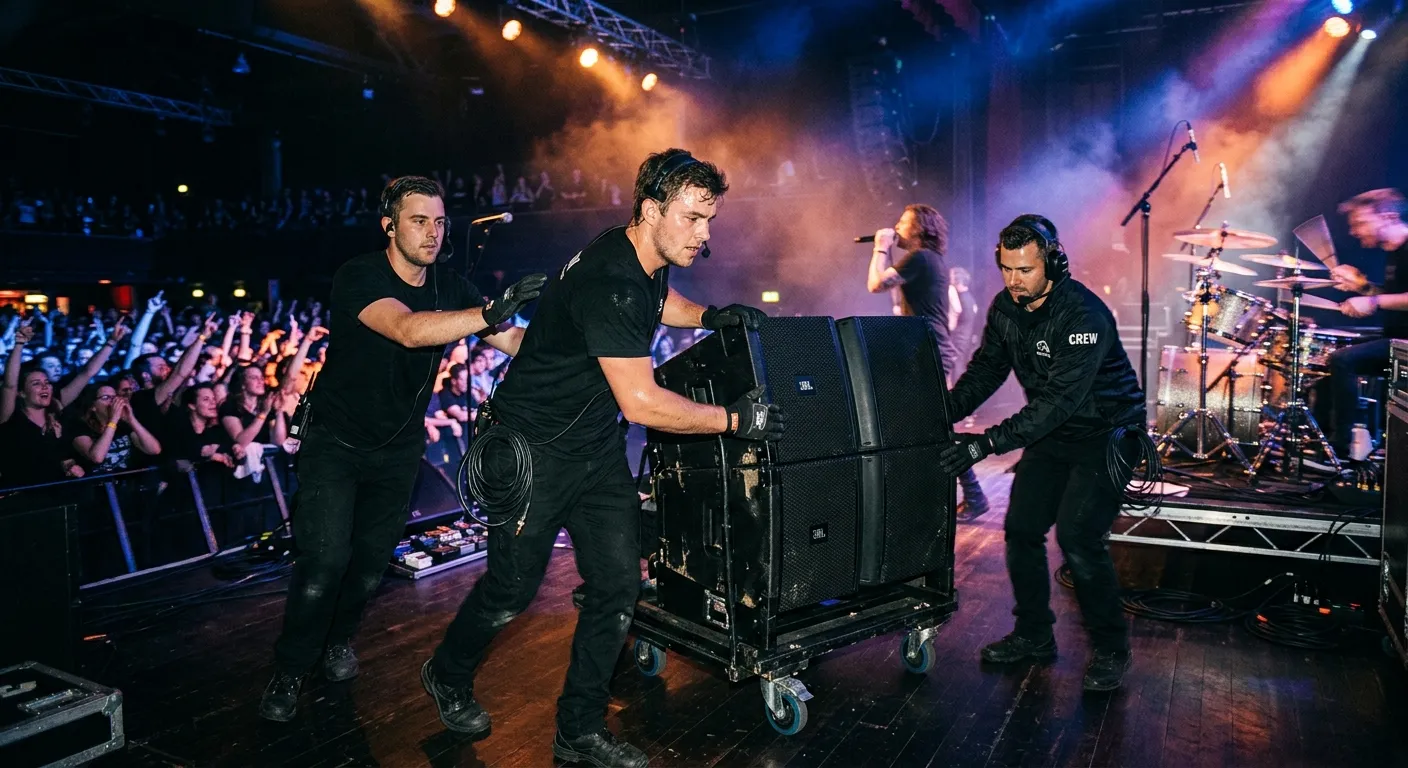
The unseen heroes behind every breathtaking concert, flawless theatre production, and impactful corporate event are the stage crew. This definitive guide delves into the world of professional Stage Crewing, exploring the critical skills, staffing strategies, and logistical expertise required to transform a vision into a tangible, unforgettable experience. Whether you're an event producer in Belfast seeking trusted Staff Services Belfast Trust or a venue manager across the UK, understanding how to build and manage a top-tier crew is paramount to success.
The Core Pillars of Professional Stage Crewing
Effective stage crewing is not a single role but a symphony of specialized functions. Navigating these requires precise staffing, much like sourcing expert Handyman services for property maintenance or reliable Warehouse Operatives for logistics. Below, explore the key categories that define this dynamic field.
Load-In & Setup: Building the Foundation
This critical phase involves the arrival, unloading, and precise construction of all stage elements. It requires brute strength, technical knowledge, and meticulous attention to plan.
- Truck Loaders/Unloaders: The muscle of the operation, responsible for safe manual handling of heavy equipment.
- Stagehands: Assist with decking assembly, riser construction, and basic set piece placement.
- Fly System Operators: Highly trained crew for venues with rigging systems, handling curtains, scenery, and lighting trusses.
- Audio/Video/Lighting Technicians: Begin the technical setup of their respective systems, often working in parallel with the physical build.
Pro Tip: A successful load-in is governed by a strict schedule. Hire crew with proven experience in fast-paced environments, similar to the efficiency needed for Events Set-Up And Break-Down Crew services. Clear communication and a competent stage manager are non-negotiable.
Show Operation: The Engine Room of the Live Event
Once the show begins, the crew's role shifts to active support, maintenance, and real-time problem-solving to ensure seamless execution.
- Stagehands/Runners: Positioned in the wings, they handle quick set changes, prop hand-offs, and artist assistance.
- Followspot Operators: Skilled technicians who manually track performers with powerful spotlights.
- Stage Managers & Deputy Stage Managers (DSM): The commanders, calling cues, managing timings, and coordinating all backstage activity via headset.
- Wardrobe & Dressers: Manage quick changes, costume integrity, and performer readiness.
Break & Load-Out: The Strategic Disassembly
Often occurring late at night under time pressure, the load-out demands efficiency, safety, and stamina. Every piece of equipment must be packed securely and loaded in reverse order.
- All Hands on Deck: The entire crew typically participates, specializing in their area of setup for teardown.
- Packing Specialists: Knowledgeable crew ensure fragile audio, lighting, and video gear is correctly cased.
- Inventory Checkers: Crucial for preventing loss, verifying all equipment is accounted for before trucks depart.
Specialist Roles: The Technical Experts
These are the highly skilled technicians who require specific training and certification. Their expertise is often contracted separately but is integral to the crew.
- Riggers (Certified): Oversee the safe hanging of all overhead equipment. This is a safety-critical role requiring formal certification.
- Pyrotechnicians: Licensed specialists who design, set up, and fire pyrotechnic and flame effects.
- Automation Engineers: Program and operate moving stage elements, performer flying systems, and complex scenic automation.
Why Invest in Professional Stage Crewing?
Enhanced Safety & Risk Mitigation
Professional crews are trained in manual handling, electrical safety, and emergency protocols. They understand weight limits, rigging points, and hazard identification, drastically reducing the risk of costly accidents, injuries, and equipment damage. This is as crucial as hiring certified personnel for any Property Maintenance or construction project.
Operational Efficiency & Time Savings
An experienced crew works with a rhythm and understanding that shaves hours off setup and breakdown times. This efficiency saves on venue overtime costs, reduces artist fatigue, and allows for tighter touring schedules. The logistical precision mirrors that required in high-volume Warehouse operations where time is directly linked to profit.
Preservation of Creative Vision
A skilled crew executes the director's or designer's vision with precision. They understand the importance of minute details in set placement, prop handling, and cue accuracy, ensuring the artistic integrity of the production remains intact from rehearsal to final performance.
Equipment Longevity & Care
Professional stagehands treat equipment with respect. They know how to properly pack, wrap, and secure expensive audio, lighting, and scenic elements. This professional care extends the lifespan of capital-intensive gear, protecting your investment much like dedicated Housekeeping Staff preserve the quality of a hotel's assets.
Scalability & Flexibility
From a small corporate AGM to a multi-day festival, professional crewing agencies can scale the team up or down instantly. This provides a flexible workforce solution, eliminating the burden of permanent hires for fluctuating needs, a benefit also seen in Temporary Staffing Solutions across industries.
Compliance & Insurance
Reputable crewing providers ensure their staff are legally compliant (right-to-work checks), and often carry their own employer's liability and public indemnity insurance. This transfers significant legal and financial risk away from the production company or venue.
Building Your Stage Crew: A Strategic Hiring Guide
Sourcing the right crew is the most critical step. For organizations like the Staff Services Belfast Trust or any national production house, a strategic approach is essential. It combines the logistical rigor of warehouse staffing with the customer-facing precision of Front of House teams.
Step 1: Define Your Scope & Skills Matrix
Before you post a job, map out every task. How many people are needed for pure lifting vs. technical work? Do you need certified riggers? Create a skills matrix that details:
- Physical Requirements: Heavy lifting, working at height, stamina for long hours.
- Technical Skills: Knowledge of specific lighting desks (e.g., MA2), audio consoles, or fly systems.
- Soft Skills: Communication, teamwork, problem-solving under pressure, reliability.
- Certifications: CSCS/CPCS cards for construction sites, PASMA, IPAF, Rigging Certifications.
Step 2: Source Through the Right Channels
Gone are the days of relying solely on word-of-mouth. Utilize a mix:
Specialist Recruitment Agencies
The most efficient method. Agencies pre-vet candidates, check certifications, and understand industry jargon. They provide a reliable, on-demand workforce, similar to agencies specializing in Hospitality Staffing or Cleaning Recruitment.
Industry Directories & Freelance Platforms
Websites like Mandy, Stage Jobs Pro, and specific freelance apps connect you directly with technicians. This offers more control but requires more time for vetting and contract management.
Step 3: The Vetting & Interview Process
Never skip due diligence. For stage crewing, the interview should be practical:
- Check Credentials: Physically inspect certifications. Verify right-to-work documents.
- Practical Assessment: Ask scenario-based questions: *"A flight case wheel shears off during load-in. What's your immediate action?"* or *"How would you safely move a 500kg piano on a raked stage?"*
- Reference Checks: Contact previous employers, especially stage managers or production managers. Ask about punctuality, attitude, and problem-solving.
Expert Insight:"The best stagehand isn't always the strongest; it's the one who is situationally aware. They see a potential cable trip hazard before it's laid, they anticipate the next move, and they communicate clearly on a noisy show site. This proactive mindset is what separates a good crew from a great one." – Senior Production Manager, Major UK Tour.
Master Fast-Paced Hiring for Events
When you have a last-minute crew shortfall or an unexpected event, knowing how to hire reliable staff within 24 hours is a game-changer. This video reveals the actionable strategies used by top agencies.
Stage Crewing: Frequently Asked Questions
Rates vary significantly based on role, location, and event type. A general stagehand might earn £10-£15 per hour for local work. Skilled technicians (audio, lighting, video) can command £150-£300+ for a 10-hour show day. Certified riggers and other specialists are at the premium end. Rates for large festivals or touring contracts are often negotiated as weekly salaries. Always ensure the rate accounts for overtime, travel, and any required certifications.
While both involve manual handling and logistics, stage crewing is performed in a live, creative, and public-facing environment under immense time pressure. It requires:
- Adaptability: No two venues or shows are identical. Plans change minute-by-minute.
- Discretion & Professionalism: Crew often work alongside high-profile artists and clients.
- Technical Affinity: Handling £50,000 lighting fixtures requires more care than moving a pallet of stock.
- Night & Weekend Work: The schedule is dictated by show times, not a 9-5 workday.
However, the core principles of teamwork and process efficiency are shared with elite Warehouse Operatives.
Choose an agency that specializes in events and technical production, not just general labour. Key indicators include:
- Industry-Specific Vetting: They understand the certifications (CSCS, PASMA, rigging) and ask the right technical questions.
- 24/7 Availability: Events don't run on business hours. You need support when a crew member calls in sick at 6 AM on show day.
- Geographic Coverage: For tours or regional events, can they supply crew in multiple cities, similar to nationwide Comprehensive Staffing Solutions?
- Clear Contracts: Transparent pricing, clearly defined responsibilities, and robust insurance cover.
Yes, but be prepared to start at the very bottom as a 'loader' or 'general hand'. Entry points include:
- Local Theatre/Volunteering: Gain basic experience and build a network.
- Warehouse/Logistics Work: Develop core strength and familiarity with logistics, which is a transferable skill.
- Approaching Specialist Agencies: Be honest about your lack of experience but highlight reliability, physical fitness, and eagerness to learn.
- Getting Certified: A basic CSCS Health & Safety card can be a door-opener for work on construction-integrated events.
The career path can then branch into specialized technical roles, stage management, or production coordination.
Ready to Elevate Your Event Production?
Don't leave your most critical component—your crew—to chance. Whether you're managing a one-off conference, a national tour, or require trusted Staff Services Belfast Trust for a public sector event, accessing a pool of pre-vetted, professional stage crew is the key to a flawless execution.
From Stage Crewing to Banqueting Staff and Event Catering, we provide the integrated staffing solutions that make great events happen.
Advanced Logistics & On-Site Management: The Command Centre
Beyond assembling a skilled team, the true test of stage crewing mastery lies in the granular on-site logistics and management. This is where theoretical plans meet the physical reality of a venue, often with unexpected challenges.
The Critical Path & Contingency Planning
Every professional load-in operates on a"critical path" schedule, often down to 15-minute increments. However, the mark of an elite crew is not just adhering to this schedule but having layered contingency plans for when it inevitably fractures.
- Weather Protocols: For outdoor events, crews must know the exact procedure for sudden rain—from deploying waterproof covers for sensitive gear to establishing safe working practices on wet decks.
- Equipment Failure Response: A designated crew member should have immediate access to essential spare parts (lamps, DI boxes, forklift shear pins) and vendor contact lists for emergency replacements.
- Personnel Shortfall Strategy: A robust plan for when a crew member is absent. This could involve cross-training key personnel or having a standing agreement with a local staffing agency for emergency cover, akin to rapid-response Temp Staffing solutions.
Case Study: The Multi-Venue Festival Turnaround
Consider a city-center festival using three different venues (a historic theatre, a modern conference centre, and a pop-up outdoor stage). The same core crew and equipment must be broken down, transported, and reinstalled within a 12-hour window between festival days.
The Crewing Solution: The crew was split into three specialised"strike and advance" teams:
- Strike Team A remained at Venue 1 to complete the load-out, focusing on careful packing.
- Advance Team B travelled to Venue 3 to begin the outdoor stage ground assembly before the main truck arrival.
- Swiss Army Team C, composed of the most experienced all-rounders, shuttled between venues to troubleshoot bottlenecks and reinforce where needed.
This required military-level coordination via dedicated radio channels, shared cloud-based inventory checklists, and a centralised transport manager. The success hinged not just on strength, but on strategic division of labour and real-time communication—a complexity far beyond standard warehouse operative duties.
Technology & Tools Transforming Modern Stage Crewing
The industry has moved far beyond clipboards and walkie-talkies. Today's elite crews leverage specialised technology to enhance safety, precision, and efficiency.
Load Planning & CAD Software
Tools like Vectorworks and SketchUp are used pre-event to create 3D models of stage designs and load plans for trucks. This ensures weight distribution is safe and the unpacking order is logical, preventing costly reshuffling on-site.
RFID & Inventory Management
High-value tours now tag equipment with RFID chips. Crew use handheld scanners during load-out for instant inventory checks, eliminating human error and dramatically speeding up the reconciliation process before trucks depart.
Digital Comms & Cueing Systems
Clear-com and Riedel digital intercom systems provide crystal-clear, reliable communication across vast sites. For automation and complex cues, show control software like QLab ensures technical elements fire with split-second accuracy, guided by the stage manager's call.
The Human Element in a Digital Age
While technology is a powerful force multiplier, it cannot replace seasoned intuition. The most valuable crew member can"read the room"—anticipating when the lighting director will need an extra hand focusing a fixture or sensing when a tired colleague needs a break. This blend of technical proficiency with emotional intelligence and situational awareness is what defines world-class stage crewing. It's a principle that applies equally when hiring for client-facing roles like Receptionists or technical Property Maintenance teams—skills can be taught, but proactive professionalism is innate.
Navigating Union Regulations & Industry Best Practices
For large-scale productions, particularly in major venues and tours, understanding the role of entertainment unions is not optional—it's essential for smooth operations and ethical employment.
Working with BECTU, Equity, and the MU
In the UK, unions like BECTU (for technical crew), Equity (for performers and stage managers), and the Musicians' Union (MU) set agreed-upon minimum rates, working conditions, and safety standards. A professional production recognizes these agreements.
- Call Times & Breaks: Union agreements strictly define minimum call times (e.g., 10-hour calls with defined meal breaks). Ignoring these can lead to disputes, work stoppages, and fines.
- Venue Jurisdiction: Many established venues have union houses. This often means you must hire a certain number of local union crew (the"house crew") alongside your touring team.
- Specialist Rates: Unions clearly differentiate between a general stagehand and a certified rigger or pyrotechnician, ensuring specialists are paid commensurately with their risk and training.
Best Practice: The Pre-Production Meeting
Before stepping foot in a union house, the production manager should hold a formal meeting with the venue's head of stage and union steward. This aligns expectations on crewing numbers, schedules, and specific venue rules (e.g., no food on stage, specific rigging points).
This proactive collaboration mirrors the detailed briefings required when integrating external teams for Event Catering or Security Staff into a larger event plan, ensuring all parties operate from the same page.
Investing time in understanding these layers—advanced logistics, modern technology, and industry regulations—transforms stage crewing from a simple labour provision into a strategic pillar of production. It ensures not just that the job gets done, but that it gets done safely, efficiently, and sustainably, protecting your people, your equipment, and the integrity of the event itself.