


Assemble Your Elite Union University Athletics Staff: A Strategic Hiring Guide
Discover the proven framework for recruiting, managing, and retaining top-tier coaching, training, and support personnel to build a championship-caliber program.
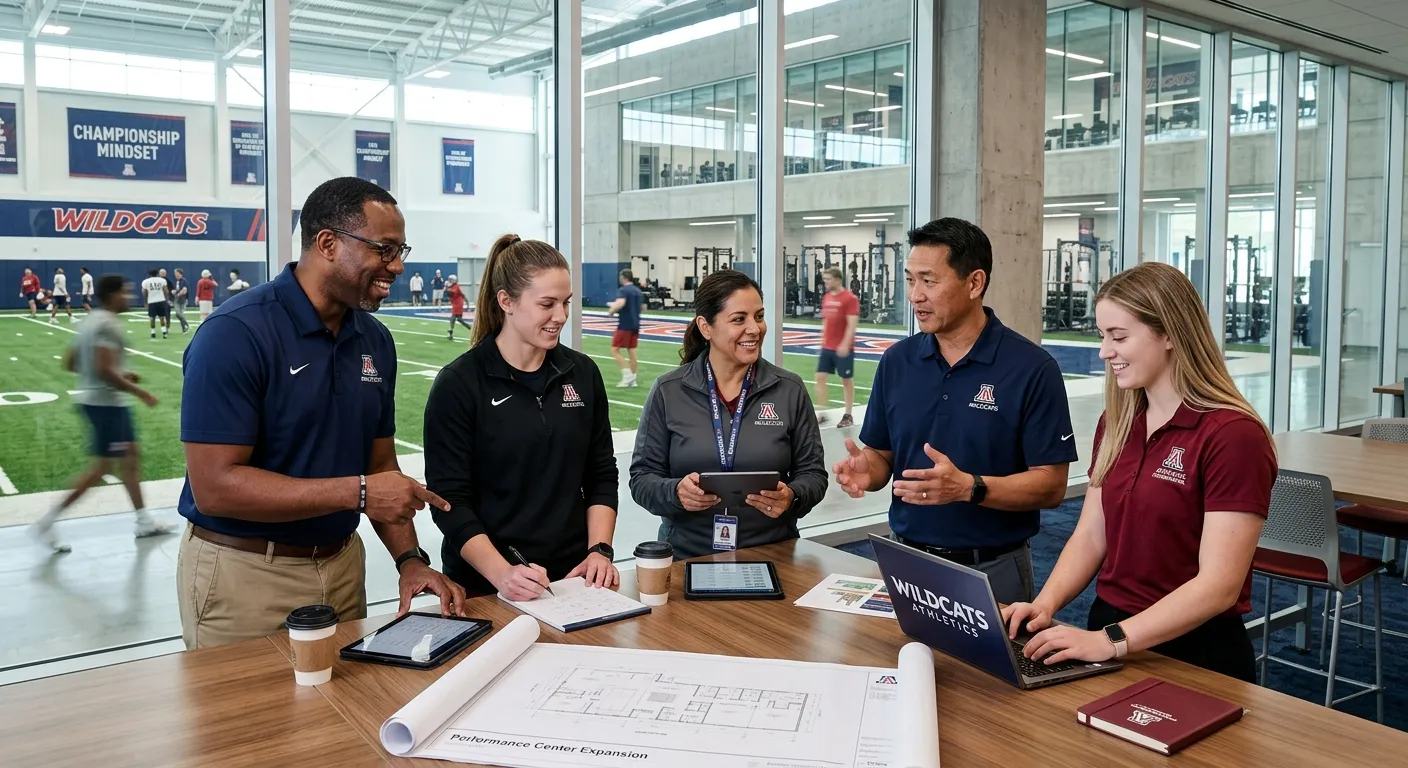
Building a successful Union University athletics program transcends recruiting talented athletes; it hinges on the strength, expertise, and cohesion of the Union University Athletics Staff. From head coaches and strength trainers to sports medicine professionals and operations managers, each role is a critical gear in a high-performance machine. In today's competitive collegiate landscape, a strategic, professional approach to staffing is non-negotiable. Partnering with a specialized agency like Steward Recruitment Agency can transform this complex challenge into a streamlined, successful hiring campaign, ensuring you secure professionals who are not only qualified but also aligned with your university's culture and competitive ambitions.
Core Pillars of Athletics Staffing
Strategic Coaching & Leadership Recruitment
The coaching staff forms the intellectual and motivational backbone of any athletics program. Hiring goes far beyond a winning record; it involves assessing leadership philosophy, player development acumen, recruiting networks, and adaptability to your university's academic and ethical standards. A head coach must be a CEO, a mentor, and a strategist. Similarly, assistant coaches and specialized position coaches (e.g., offensive coordinators, pitching coaches) require niche expertise and the ability to execute the head coach's vision. The recruitment process must be rigorous, involving deep reference checks, philosophy alignment interviews, and scenario-based assessments to predict on-field and off-field success.
Pro-Tip: When evaluating coaching candidates, incorporate"culture-fit" scenarios. Present them with hypothetical challenges common in university athletics—such as managing a star athlete's academic probation or handling media scrutiny after a loss—to gauge their judgment and alignment with your institution's values.
High-Performance & Sports Medicine Teams
Athlete health and peak performance are paramount. This pillar includes Certified Athletic Trainers (ATCs), Strength & Conditioning Coaches, Sports Nutritionists, and Team Physicians. These roles require not only top-tier certifications (e.g., NSCA-CSCS, NATA-BOC) but also experience in a collegiate environment, understanding the grueling schedule of a student-athlete. A great strength coach designs periodized programs that prevent injury and enhance sport-specific power, while athletic trainers are the first line of defense in injury prevention, evaluation, and rehabilitation. The synergy between these roles directly impacts athlete availability, performance longevity, and overall program health.
Behind-the-Scenes Operations & Administrative Support
A championship program runs on meticulous logistics. This category includes Directors of Operations, Equipment Managers, Video Coordinators, Academic Advisors, and Marketing personnel. These professionals ensure that coaches and athletes can focus purely on performance. An Equipment Manager, for instance, must handle inventory, fittings, and maintenance with the precision of a warehouse operative, while an Operations Director coordinates travel, meals, and schedules with the foresight of a top-tier events staffing manager. Neglecting these roles can lead to logistical breakdowns that undermine on-field success.
Why Partner with a Specialist for Your Union University Athletics Staff?
General recruitment channels often miss the mark for the highly specialized world of collegiate sports. Here’s how a targeted approach delivers unmatched value.
Deep Industry Network & Passive Talent Access
The best candidates—especially established coaches or top-tier trainers—are rarely actively job-seeking. Specialized agencies like Steward Recruitment Agency maintain robust, confidential networks built over years within the collegiate and professional sports ecosystems. They can discreetly approach and vet passive candidates who would never respond to a public job posting, giving you access to a talent pool invisible to standard HR departments or general job boards.
Rigorous, Sport-Specific Vetting & Verification
Verifying a candidate's claims in athletics requires specialist knowledge. An agency experienced in Union University Athletics Staff hiring doesn't just check employment dates; they validate win-loss records, analyze coaching film, contact former athletes for development testimonials, and confirm certifications with governing bodies like the NCAA or NATA. This due diligence mitigates the risk of a costly mis-hire, protecting your program's reputation and performance trajectory.
Compliance & Contractual Expertise
NCAA regulations, Title IX considerations, and complex employment contracts are minefields. A specialist agency navigates these intricacies daily, ensuring your hiring process is fully compliant and that offer letters, incentive structures, and termination clauses are ironclad. This expertise is as crucial as hiring a skilled property maintenance expert to protect a physical asset—it safeguards your program's legal and operational integrity.
A Step-by-Step Blueprint for Hiring Elite Athletics Staff
Phase 1: Needs Analysis & Position Profiling
Before posting a job, conduct a thorough audit. Is this a replacement or a new role? How does it integrate with existing staff? Create a detailed profile beyond the job description: define success metrics (e.g.,"improve team defensive efficiency by 10%,""reduce athlete soft-tissue injuries by 15%"), required technical skills, cultural non-negotiables, and growth potential within the department. This clarity is the foundation of a successful search and prevents vague, ineffective hiring.
Phase 2: Strategic Sourcing & Candidate Engagement
Utilize a multi-channel sourcing strategy. While public postings on platforms like the NCAA Market or HigherEdJobs have their place, the most impactful sourcing is targeted and discreet. This involves leveraging alumni networks, attending coaching conventions, and, most effectively, partnering with an agency to tap into their proprietary database. Engagement must be respectful and professional, recognizing that top talent is evaluating your program as much as you are evaluating them.
Expert Insight: The initial conversation with a candidate should focus 70% on listening. Understand their career motivations, their philosophy, and what they seek in a university environment. This approach, similar to how a premier agency vets candidates for front of house jobs, builds rapport and provides critical intelligence to assess fit beyond the resume.
Critical Interview Questions for Coaching Candidates:
- •"Walk me through your process for developing a season-long practice plan, including how you balance skill development, tactical work, and recovery."
- •"Describe a specific instance where you had to manage a conflict between two key players. What was your approach and the outcome?"
- •"How do you integrate and utilize performance data (e.g., wearables, video analytics) into your daily coaching decisions?"
- •"What is your strategy for engaging with and recruiting the parents of prospective student-athletes?"
Phase 3: The Offer & Onboarding Integration
The offer stage is critical. Compensation packages in university athletics often include base salary, performance bonuses, camp revenue opportunities, and benefits. Ensure the offer is competitive and structured transparently. Once accepted, a structured onboarding process is vital for long-term retention. This goes beyond HR paperwork; it should include introductions to key stakeholders, a clear outline of first-90-day goals, and integration into the department's social fabric. A poor onboarding experience can sour even the most enthusiastic new hire, much like a disorganized start would for temporary staffing solutions in a fast-paced environment.
Frequently Asked Questions: Union University Athletics Staff Hiring
Quick answers to the most common and complex staffing challenges faced by athletic directors and program leaders.
What is the typical timeline for hiring a Head Coach through an agency?
A comprehensive search for a Head Coach typically takes 6 to 12 weeks when partnering with a specialist agency like Steward Recruitment Agency. This timeline includes the initial consultation and profiling (1 week), active sourcing and initial screening (2-4 weeks), in-depth interviews and assessment (2-3 weeks), and final negotiations/reference checks (1-2 weeks). The process can be expedited for interim or assistant roles, but a rushed search for a leadership position often leads to poor outcomes. It's a more intricate process than filling a warehouse job in London, requiring deep cultural and strategic alignment.
How do we ensure diversity and inclusion in our athletics staff hiring?
Intentionality is key. Mandate a diverse interview slate—for example, requiring that at least 50% of candidates presented for a final-round interview belong to underrepresented groups. Utilize blind screening for initial resume reviews to mitigate unconscious bias. Partner with organizations dedicated to developing minority coaches (e.g., The NCAA's Champion's Forum, The Black Football Coaches Alliance). Embed diversity goals into the search committee's mandate and hold them accountable. A specialist agency can be invaluable here, as they often have broader, more diverse networks than internal university channels.
Can an agency help with temporary or interim staffing needs?
Absolutely. Situations such as sudden coach departures, maternity leaves, or short-term projects (e.g., a special fundraising campaign) require agile staffing solutions. Agencies can quickly provide vetted interim professionals, from experienced head coaches to athletic trainers. This ensures program continuity and prevents burnout among remaining staff. This flexible model is similar to how agencies provide event catering staffing services for peak-demand periods, offering quality and reliability without a long-term commitment.
What are the cost implications of using a recruitment agency versus in-house hiring?
While agencies charge a fee (typically a percentage of the hired candidate's first-year compensation), this must be weighed against the true cost of a vacancy and the risk of a mis-hire. An unfilled key coaching position can lead to recruiting setbacks, player dissatisfaction, and competitive losses. A mis-hired staff member can damage team culture and require a costly, reputationally harmful separation. An agency mitigates these risks by accelerating time-to-hire and improving hiring accuracy. The investment is strategic, akin to using expert comprehensive staffing solutions for other critical business functions.
Ready to Build Your Championship-Caliber Team?
Your Union University Athletics Staff is the defining factor between a good program and a great one. Stop leaving these critical hires to chance or overburdened internal teams. Leverage the expertise, network, and proven methodology of a specialist to secure the leadership and support that will drive your student-athletes to victory on the field and success in the classroom.
Partner with Steward Recruitment Agency. Let's discuss your program's unique needs and craft a winning staffing strategy.
Case Study: A Turnaround Built on Strategic Staffing
Consider the real-world example of a mid-major Division I university facing declining performance in its flagship basketball program. Despite having talented athletes, the team suffered from inconsistent coaching, a rash of preventable injuries, and low morale. The athletic department partnered with a specialist recruitment agency to undertake a complete staffing overhaul, not just at the head coach level.
The Challenge
- •Head Coach position vacant after a losing season.
- •Strength & Conditioning program was generic, not sport-specific.
- •High rate of player transfers and off-court incidents.
- •Operations staff were reactive, causing travel and scheduling issues.
The Strategic Solution
- •Agency conducted a 360-degree audit of the program's needs.
- •Recruited a Head Coach known for cultural building and player development, not just X's and O's.
- •Hired a new S&C Coach with a PhD in Biomechanics, specializing in basketball.
- •Placed a new Director of Operations with a logistics background.
The Measurable Outcome
- •Within two seasons, win total increased by 40%.
- •Non-contact injuries decreased by 60%.
- •Player retention rate improved to 95%.
- •Program revenue from ticket sales and merchandise grew by 25%.
This holistic approach demonstrates that investing in elite, specialized staff across all pillars creates a synergistic effect far greater than the sum of its parts. The right Union University Athletics Staff doesn't just fill roles; it transforms the entire ecosystem of a program.
The Modern Edge: Integrating Technology & Data Analytics into Staff Roles
Today's elite athletics staff must be as proficient with data as they are with playbooks and treatment tables. Identifying candidates who embrace technology is now a non-negotiable.
Data-Driven Coaching
The modern coach is a data analyst. Hiring for roles like Offensive Coordinator or Pitching Coach now requires evaluating their fluency with platforms like Hudl, Sportscode, or Catapult GPS. Can they translate athlete load management data into practice planning? Do they use video analytics to break down opponent tendencies? During interviews, present candidates with a dataset from a wearable tech company and ask them to derive three actionable coaching insights. This separates the traditionalist from the progressive leader who can give your program a competitive advantage.
Performance & Medical Technology
Sports medicine and strength staff must be tech-integrated. Look for experience with force plate analysis for jump metrics and asymmetry, VALD Nordbord for hamstring screening, or ultrasound for soft tissue assessment. A candidate who can articulate how they use this data to create individualized prevention programs is invaluable. Furthermore, roles like the Director of Performance Science are emerging, responsible for synthesizing data from all these sources to provide a holistic view of athlete readiness. This role requires a hybrid background in exercise science, statistics, and IT, showcasing the evolving complexity of athletics staffing.
Operational & Recruitment Tech
Administrative excellence is powered by software. Evaluate candidates for operations roles on their proficiency with travel management systems (like TripActions), advanced scheduling tools (When I Work), and recruiting CRM platforms (Front Rush). A skilled Video Coordinator today needs expertise in live-streaming technology and cloud-based video exchange. When hiring for these roles, include a practical test: ask them to outline a process for coordinating a multi-day, cross-country trip for 50 personnel using specific software. This mirrors the precision required in managing logistics staffing solutions for major corporations.
The New Reality: Navigating a Candidate-Driven Market
The landscape for elite athletics professionals has shifted. Top candidates—from renowned coaches to sought-after athletic trainers—have options. Universities are no longer just evaluating candidates; they are being evaluated. Your hiring process itself is a recruitment tool. A cumbersome, opaque, or disrespectful process will cause top-tier talent to withdraw.
The Candidate's Checklist: What Elite Talent is Looking For
- ✓Clear Vision & Institutional Support: Is there a aligned, long-term plan for the program backed by the administration?
- ✓Autonomy & Resources: Will they have the budgetary authority and tools needed to succeed?
- ✓Work-Life Balance & Culture: Is there a sustainable work environment, or is a 24/7"grind" culture expected?
- ✓Professional Development: Are there opportunities for continued learning and career advancement?
To win in this market, your hiring committee must function like a skilled sales and marketing team. This involves crafting a compelling"employer value proposition" for the role, streamlining interview steps to respect the candidate's time, and ensuring all communications are prompt and professional. Specialist agencies excel at managing this two-way courtship, acting as sophisticated intermediaries who can honestly represent your program's strengths and manage candidate expectations effectively.
Beyond the Hire: Strategies for Long-Term Staff Retention
Hiring the right person is only half the battle. Retaining your elite Union University Athletics Staff requires an ongoing, strategic commitment.
1. Create a Culture of Professional Growth
Ambitious staff members will leave if they feel stagnant. Implement structured development programs: subsidize certifications (CSCS, Master's degrees), provide annual budgets for conference attendance (e.g., ACSM, NACDA), and create clear, attainable career pathways within the department. For example, an Assistant Strength Coach could see a path to Associate Head Coach, then Director of Football Performance. Regular"stay interviews"—conversations focused on what motivates an employee and what could cause them to leave—are more valuable than exit interviews.
2. Implement Competitive & Creative Compensation
While base salary is fundamental, retention is often driven by creative benefits. Consider offering deferred compensation plans that vest after 5 years, annual retention bonuses, or allowances for family travel to away games. For operations and support staff, whose market is broader (e.g., an events manager could work in professional sports or corporate hospitality), ensure your total compensation package is benchmarked against both higher education and the private sector. The stability and mission of a university are attractive, but they cannot bridge a significant pay gap indefinitely.
The Retention Ripple Effect
High staff retention creates programmatic stability, which is a powerful recruiting tool for both athletes and future staff. It builds institutional knowledge, fosters stronger community relationships, and allows for the execution of long-term strategic plans. Conversely, high turnover creates a cycle of rebuilding, lost recruiting momentum, and eroded team culture. Investing in retention is not an administrative soft cost; it is a direct investment in the competitive capital and legacy of your Union University athletics program. By partnering with an agency that understands this holistic lifecycle—from acquisition to retention—you secure not just employees, but long-term architects of success.