



Ultimate Guide to Void Property Security: Hire Expert Staff Today
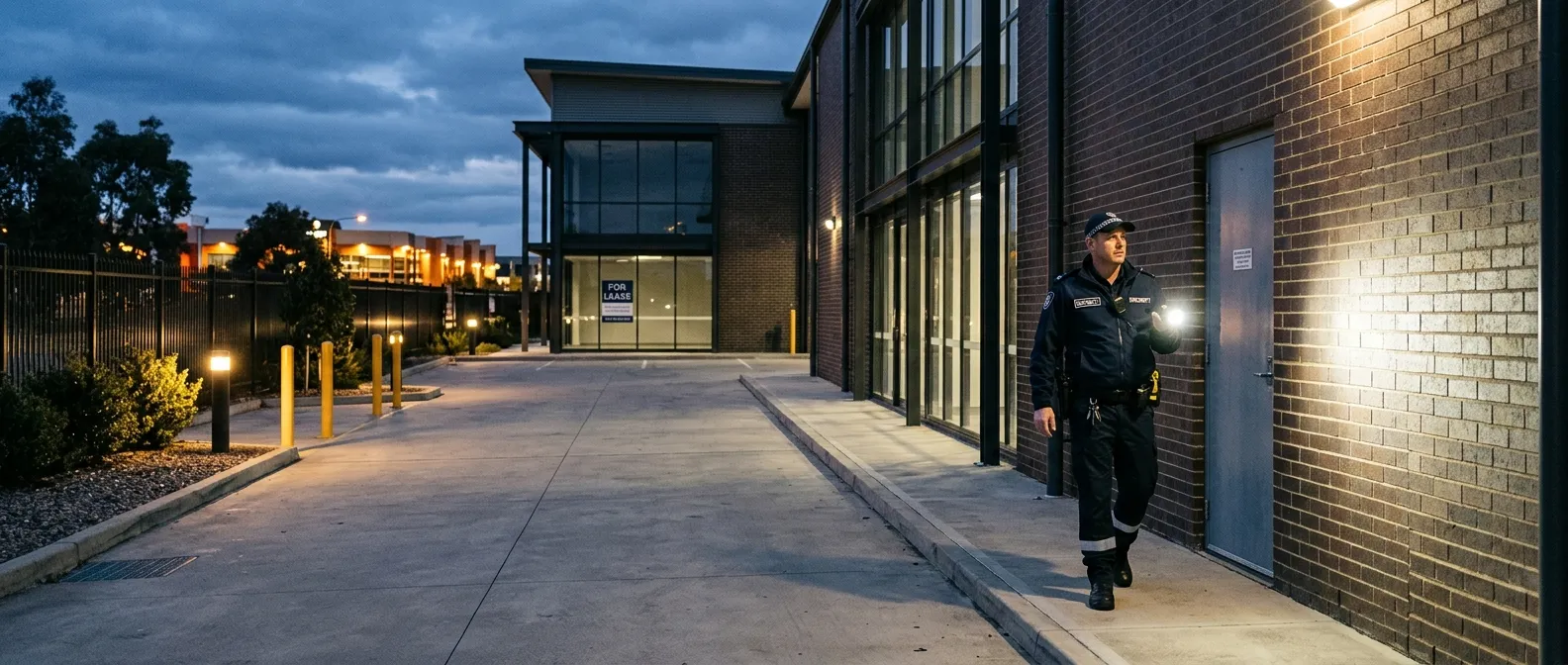
An unoccupied property is a magnet for risk. From vandalism and theft to undetected maintenance issues that spiral into costly repairs, void properties demand a specialised security and management approach. This comprehensive guide explores the multifaceted world of Void Property Security, providing property owners, facility managers, and landlords with the actionable strategies and expert insights needed to protect their assets. We'll delve into why a proactive plan is non-negotiable, the critical roles of personnel, and how partnering with a specialised Temp Worker Agency UK can transform your risk management.
Understanding the Void Property Threat Landscape
A 'void' or vacant property is far from dormant. It represents an active liability. Without the daily oversight of occupants or regular staff, vulnerabilities are exposed. Effective Void Property Security isn't just about locking doors; it's a dynamic regimen of physical presence, technological monitoring, and procedural diligence designed to simulate occupancy and deter threats.
Pro-Tip: The Cost of Inaction
The financial impact of a security breach in a void property often far exceeds the cost of preventative measures. Consider not just repair bills, but also increased insurance premiums, potential legal liabilities, and lost rental income due to extended refurbishment.
Immediate Physical & Financial Threats
- Unauthorised Entry & Squatting: Once occupiers are inside, legal removal is a complex, time-consuming, and expensive process.
- Vandalism & Theft: From copper piping and fixtures to appliances and fittings, empty properties are stripped bare.
- Arson & Malicious Damage: A significant risk, particularly in areas with social challenges or for properties undergoing dispute.
- Undetected Maintenance Failures: A leaking pipe or electrical fault with no one to spot it can cause catastrophic water damage or fire.
Legal Duties & Insurance Pitfalls
Property owners have a 'duty of care'. This extends to ensuring a vacant property does not become a public nuisance or a hazard. Local authorities can issue enforcement notices for unsafe premises. Crucially, most standard property insurance policies are invalidated or severely limited if a property is left unoccupied beyond a specified period (often 30-60 days). Specialised Void Property Security measures are frequently a requirement to maintain or obtain adequate insurance cover.
The Four Pillars of a Robust Strategy
- Deterrence: Making the property appear occupied and difficult to target.
- Detection: Using technology and human patrols to identify intrusion attempts early.
- Delay: Implementing physical barriers to slow down any breach.
- Response: Having a clear, rapid protocol for when an incident is detected.
The Human Element: Key Roles in Void Property Security
Technology is a powerful tool, but it cannot replace the judgement, presence, and proactive capability of skilled personnel. A layered security approach relies on several key roles, often filled effectively through a flexible Temp Worker Agency UK to meet fluctuating needs.
Void Property Security Guards
The frontline of defence. Their visible presence is the ultimate deterrent. Duties extend beyond static guarding to include regular internal and external patrols, checking for signs of attempted entry, monitoring environmental conditions (e.g., temperature for frost risk), and maintaining detailed logbooks. They are the eyes and ears on the ground, providing real-time intelligence.
Typical Skills: SIA licensing, observational skills, report writing, conflict management, knowledge of relevant laws.
Mobile Patrol Officers
For properties where a permanent static guard isn't feasible, scheduled and random mobile patrols provide intermittent but impactful oversight. Officers check multiple properties in a route, verifying locks, inspecting perimeter fencing, and using electronic tagging systems to prove attendance. This method is cost-effective for portfolios of smaller void units.
Typical Skills: SIA licensing, driving, familiarity with local geography, use of patrol management technology.
Void Property Maintenance & Handyman Staff
Security is intertwined with maintenance. A broken window is a security flaw. Staff in this category perform essential Property Maintenance to preserve the asset and eliminate vulnerabilities. This can range from boarding up points of entry and repairing fences to conducting weekly checks for damp, pest infestation, or ensuring heating systems are on a frost setting. For many reactive tasks, a reliable Handyman service is indispensable.
Typical Skills: General construction/carpentry, problem-solving, proactive inspection, basic plumbing/electrical knowledge.
Integrating Technology with Human Expertise
Modern Void Property Security leverages technology to augment human teams, creating a seamless shield. Remote monitoring systems provide 24/7 oversight, but they require human interpretation and response.
- 1 Smart Alarm Systems & CCTV: Linked to mobile patrol teams or a central monitoring station for immediate dispatch upon activation. Modern systems can differentiate between an animal and a human, reducing false alarms.
- 2 Environmental Sensors: Monitor for temperature drops (pipe freeze), humidity (mould risk), and water leakage. Alerts can be sent to a site manager or a tasked Maintenance-staff member.
- 3 Access Control Logs & Patrol Management Software: Digitally verifies guard patrols at specific checkpoints and maintains immutable records for compliance and auditing purposes.
Learn how to mobilise temporary security and maintenance staff rapidly to respond to alerts or cover shifts.
Why a Specialist Temp Worker Agency UK is Your Strategic Advantage
Managing void property security in-house, especially for multiple sites or short-term vacancies, is resource-intensive. Partnering with a reputable agency like ours provides a streamlined, effective solution.
Speed & Flexibility
Void situations can arise suddenly – a tenant leaves unexpectedly, a sale falls through. A specialist Temp Worker Agency UK can deploy vetted Void Property Security guards or maintenance staff often within 24 hours, scaling up or down as needed. This mirrors the agility seen in sectors like Warehouse staffing for seasonal peaks.
Expertise & Vetting
We handle the complex recruitment legwork: verifying SIA licences, conducting right-to-work checks, assessing practical skills, and ensuring candidates understand the unique challenges of void property work. You gain access to a pre-qualified talent pool, much like our specialised pools for Housekeeping or Front-of-house roles.
Risk & Compliance Management
The agency assumes employer liabilities for the temporary workers, including insurance (Employer's Liability, Public Liability), payroll, and holiday pay. This significantly reduces your administrative burden and legal exposure, allowing you to focus on core property management.
Cost Predictability
You pay a clear hourly or daily rate for the worker, with no hidden costs for recruitment advertising, interviews, or HR administration. This transforms a variable, unpredictable operational need into a fixed, manageable cost line, similar to engaging Comprehensive Staffing Solutions for event-based work.
Strategic Insight:
The most effective void property strategies often blend permanent oversight with temporary surge support. Use a core team or technology for baseline monitoring, and engage a Temp Worker Agency UK for intensive periods (e.g., initial vacancy, during viewings, or in response to a localised threat increase).
Frequently Asked Questions on Void Property Security
Quick answers to the most common questions property professionals have.
Frequency depends on risk assessment. A high-risk urban property may need daily or even twice-daily checks, while a low-risk suburban house might be secure with 2-3 visits per week. Checks should be irregular and unpredictable. A combination of scheduled handyman_jobs style inspections and random mobile patrols is most effective. Your insurance provider may also stipulate a minimum frequency.
Technology is a deterrent and detection tool, but its effectiveness hinges on response time. An alarm ringing with no one to respond is ineffective. The best practice is integration: CCTV and alarms alert a monitoring centre, which then dispatches a mobile patrol officer or static guard to investigate. This creates a closed-loop system. For high-value assets, the physical presence of a guard remains the gold standard.
Void property security is more holistic and preventative. While a construction site guard focuses on protecting materials and equipment from theft, a void property guard must also monitor for gradual decay, environmental damage, and signs of clandestine entry that may not be immediately obvious. Their role blends security with basic Property Maintenance observation. They are the stewards of the asset in its most vulnerable state.
This is the core value of a specialist Temp Worker Agency UK. Instead of advertising and vetting yourself, you leverage an agency's existing network and rigorous processes. Look for agencies with proven experience in property and security staffing, not just general labour. They will have a pool of SIA-licensed officers accustomed to void property protocols and can often provide staff for an Immediate Start. The fastest way to begin is to post your specific job requirement with a trusted agency.
Secure Your Void Properties with Confidence
Don't let vacancy become vulnerability. Implement a robust, layered Void Property Security strategy supported by expert temporary personnel. Whether you need a single guard for a vacant flat or a team to secure a commercial portfolio, our specialised Temp Worker Agency UK is your partner in protection.
We provide trusted staffing solutions across sectors, from Warehouse Operatives to Events Staffing, ensuring your business has the right people, at the right time.
Developing a Tailored Void Property Security Plan: A Step-by-Step Framework
A one-size-fits-all approach leaves gaps. Your security plan must be a living document, tailored to the specific asset, its location, and the vacancy duration. Follow this actionable framework to build your bespoke strategy.
-
1Conduct a Comprehensive Risk Assessment
Before deploying any resources, undertake a thorough site survey. Key factors to document include:
- Property Type & Construction: A detached commercial unit is different from a mid-terrace residential void.
- Local Crime Data & History: Check police.uk for local crime statistics. Has the property been targeted before?
- Visibility & Accessibility: Is it on a busy road or hidden away? How many potential entry points exist?
- Existing Security Infrastructure: Document the state of locks, alarms, fencing, and lighting.
-
2Define Your Security Objectives & Budget
Align your plan with clear goals. Is the primary objective to prevent squatting, avoid insurance invalidation, or preserve the saleable condition of a high-value asset? Your objectives will dictate the level of investment. Create a budget that considers not just personnel costs, but also potential technology investments (like temporary CCTV towers) and reactive maintenance funds.
-
3Design the Service Mix & Schedule
This is where you blend human and technological elements. For a low-risk residential void, a schedule might include: Weekly mobile patrols, fortnightly internal inspection by a handyman, and installed wireless alarm sensors. A high-risk commercial void may require: 24/7 static guarding with dog-handler support at night, daily environmental sensor reviews, and bi-weekly deep-clean visits to maintain appearance.
-
4Establish Clear Protocols & Communication Chains
Every person involved must know exactly what to do. Create and distribute a Void Property Security Handbook covering:
- Incident Response Procedure: Who does the guard call first? What are the steps for dealing with a break-in, fire, or discovered squatter?
- Reporting Requirements: Mandate digital daily reports with photo evidence. Use a shared platform accessible to the property owner, agency, and insurer.
- Key Holder List: A secure, updated list of who can grant access for viewings or contractors.
-
5Implement, Monitor, and Review
Launch your plan with a clear start date. The first week is critical for ironing out issues. Schedule a formal review at 30 days, and then quarterly. Are the patrols effective? Is the technology working? Use the data from patrol logs and incident reports (or lack thereof) to refine your approach. A Temp Worker Agency UK partner can provide valuable analytics on staff performance and attendance to inform these reviews.
Case Study Example: Securing a Vacant Retail Unit in a High-Street Regeneration Zone
Challenge: A landlord owned a vacant shop unit for 9 months during a town centre refurbishment. Local vandalism and attempts at forced entry were increasing.
Solution: A hybrid plan was implemented: Temporary shuttering was installed internally to maintain street appearance while securing the glass front. A specialist Temp Worker Agency UK provided a mobile patrol officer for 3 random checks per night, supplemented by a handyman for a weekly internal inspection and basic housekeeping to remove flyers and maintain a ‘cared-for’ look.
Outcome: Zero security breaches occurred during the void period. The property was re-let quickly, with the agent noting its excellent condition was a key factor.
Beyond Security: The Holistic Value of Professional Void Management
Viewing void property through solely a security lens misses broader opportunities. Professional management preserves and can even enhance asset value during vacancy.
Insurance Compliance & Premium Management
Insurers require proactive risk mitigation. A documented professional security plan, often with proof of patrols, can be the difference between a void policy being granted or denied. In some cases, it can prevent the steep premium increases (often 100-200%) associated with standard policies for unoccupied properties.
Asset Preservation & Market Readiness
Regular maintenance checks prevent minor issues from becoming major capital expenditures. A leaking toilet seal, if caught early, is a £50 fix. Left for months, it requires a £10,000 floor replacement. Keeping the property clean, aired, and secure means it can be marketed and occupied immediately, slashing void periods and lost income.
Reputation & Stakeholder Confidence
For housing associations, local authorities, or prominent landlords, a secure, well-managed void portfolio demonstrates responsible stewardship. It prevents negative local press about vandalism or antisocial behaviour, maintains community relations, and builds confidence with investors and board members.
Navigating Common Pitfalls: Lessons from the Field
Pitfall 1:"Set and Forget" Technology
Installing a CCTV camera or alarm is not a silver bullet. Systems require power, internet connectivity, and regular testing. Batteries in wireless sensors die. A common failure is not having a process to verify the technology is operational. Solution: Make technology checks a mandatory part of every human visit. The guard or handyman should confirm the system is armed and functional.
Pitfall 2: Predictable Patrol Patterns
If a mobile patrol arrives every Tuesday at 10am and Thursday at 3pm, potential intruders will learn the schedule. Solution: Work with your agency to ensure patrol times are truly randomised across all days of the week and times of day, including nights and weekends.
Pitfall 3: Poor Communication Between Stakeholders
The security guard, the property manager, the insurer, and the agency operate in silos. Solution: Use a centralised digital platform for all logs, reports, and alerts. Establish a single point of contact at the Temp Worker Agency UK who is responsible for liaising between all parties and escalating issues according to your protocol.