


Team RAL: Palliative Care Support Worker End-of-Life in Cardiff – Compassionate End-of-Life Care Assistant for Hospices and Palliative Care Services
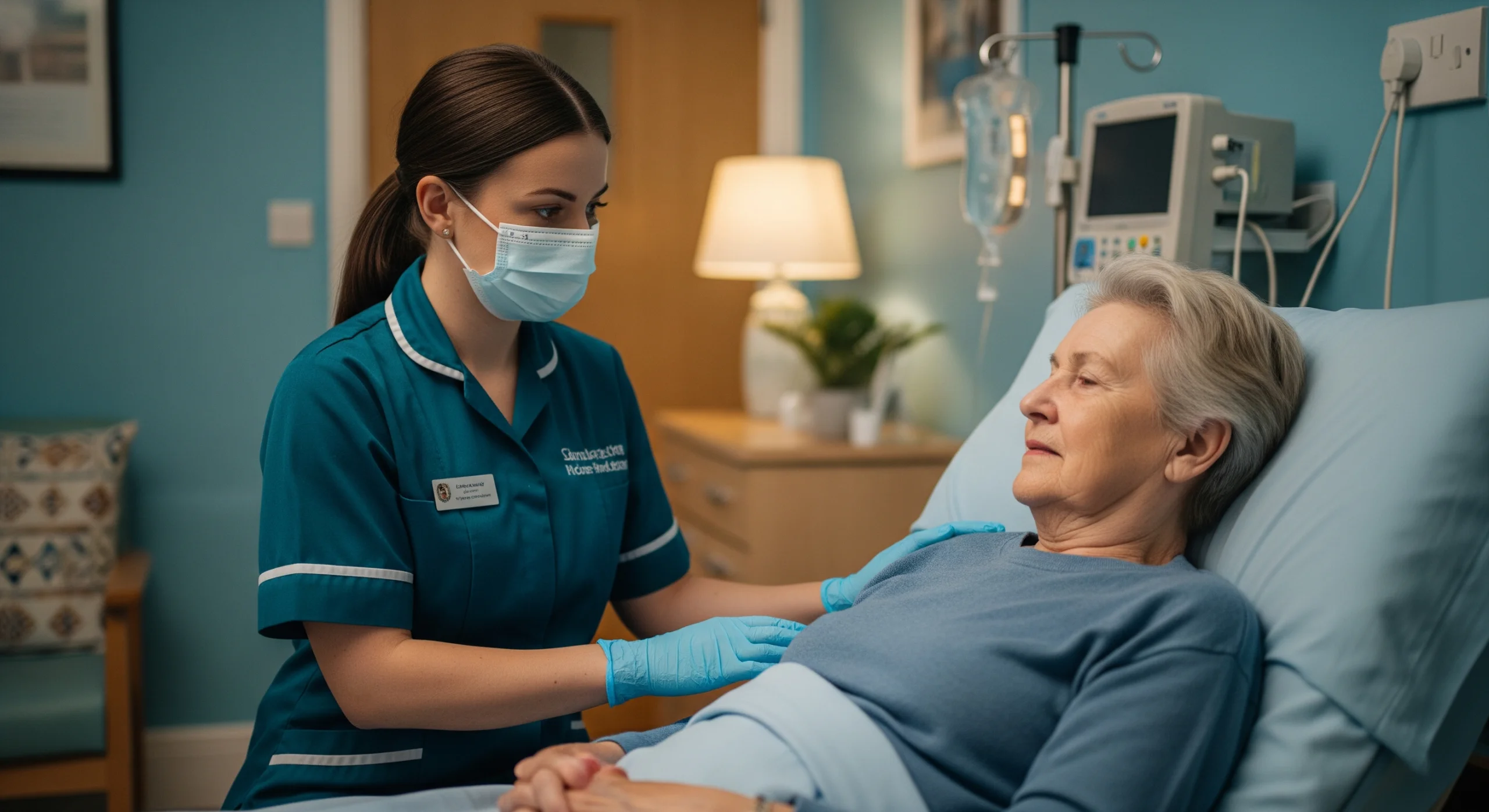
When someone you love faces a life-limiting illness, the journey ahead can feel overwhelming. That's where palliative care support workers step in—providing comfort, dignity, and compassion during life's most challenging moments. In Cardiff, Team RAL has established itself as a trusted provider of end-of-life care assistance, working alongside hospices and palliative care services to ensure patients and their families receive the support they deserve.
This comprehensive guide explores everything you need to know about palliative care support workers in Cardiff, the vital role they play in end-of-life care, and how Team RAL is making a meaningful difference in the community.
Understanding Palliative Care and End-of-Life Support
Palliative care isn't just about medical treatment—it's about enhancing quality of life for people facing serious illnesses. Unlike curative care that focuses on treating the disease, palliative care addresses physical symptoms, emotional wellbeing, and spiritual needs. It's holistic care that recognizes the person behind the diagnosis.
End-of-life care represents a specialized branch of palliative care, specifically supporting individuals in their final weeks, days, or hours. This deeply personal work requires not only clinical skills but also exceptional emotional intelligence, patience, and genuine compassion.
Support workers in this field become trusted companions during an incredibly vulnerable time. They help maintain comfort, preserve dignity, and ensure that each person's final chapter is as peaceful and meaningful as possible. For families in Cardiff dealing with terminal illness, having access to dedicated palliative care support can transform an impossibly difficult experience.
The Role of a Palliative Care Support Worker
Palliative care support workers wear many hats throughout their day. Their responsibilities extend far beyond basic care tasks—they become advocates, listeners, and sources of comfort for both patients and families.
Personal Care and Comfort
At the foundation of the role lies personal care. Support workers assist with daily activities that become increasingly difficult as illness progresses. This includes help with washing, dressing, mobility, toileting, and eating. But it's how these tasks are performed that makes all the difference. Team RAL's support workers approach personal care with unwavering respect for dignity and privacy, understanding that maintaining independence wherever possible helps preserve a person's sense of self.
Pain and symptom management also falls within their scope. While they work under the guidance of registered nurses and medical professionals, support workers monitor patients closely, recognizing changes in condition and reporting concerns promptly. They understand how to position patients for maximum comfort, when to offer medication reminders, and how to spot early signs of distress.
Emotional and Psychological Support
Perhaps equally important is the emotional support palliative care workers provide. Facing mortality brings up profound feelings—fear, sadness, anger, acceptance, and everything in between. Support workers create safe spaces for patients to express these emotions without judgment.
They're also there for families who are grieving while their loved one is still alive, a process called anticipatory grief. A kind word, a listening ear, or simply sitting quietly together can provide immeasurable comfort during these raw moments. Team RAL trains their support workers to recognize when families need additional support and to connect them with appropriate resources like counseling services or bereavement support groups.
Practical Support and Daily Living
Beyond direct care, support workers help maintain some normalcy in daily routines. They might prepare light meals, assist with medication schedules, help with light housekeeping tasks that directly impact the patient's environment, or run essential errands. These practical contributions relieve pressure on family caregivers who often juggle multiple responsibilities while caring for their loved one.
Some support workers also facilitate meaningful activities that bring joy and connection—whether that's helping someone listen to favorite music, looking through photo albums together, spending time in a garden, or simply enjoying a cup of tea while watching birds outside the window. These small moments matter tremendously.
Team RAL's Approach to End-of-Life Care in Cardiff
What sets Team RAL apart in Cardiff's palliative care landscape is their person-centered philosophy. They recognize that every individual has unique needs, preferences, values, and wishes for their end-of-life care.
Personalized Care Plans
Team RAL doesn't believe in one-size-fits-all approaches. When they begin supporting a patient, they take time to understand that person's story—their life, their relationships, what brings them comfort, and what matters most to them. This information shapes individualized care plans that respect personal preferences and cultural or religious considerations.
Maybe someone finds peace in music or prayer. Perhaps another person values quiet and solitude. Some want to talk about their life and legacy, while others prefer focusing on the present moment. Team RAL's support workers adapt their approach accordingly, ensuring care feels personal rather than institutional.
Collaboration with Healthcare Professionals
Palliative care support workers function as part of a multidisciplinary team. In Cardiff, Team RAL works closely with:
- Hospice staff who provide specialized medical expertise
- Palliative care nurses who oversee symptom management
- General practitioners who coordinate overall care
- Occupational and physiotherapists who help maintain function and comfort
- Social workers who address practical and emotional needs
- Chaplains or spiritual advisors who provide spiritual support
This collaborative approach ensures comprehensive care where nothing falls through the cracks. Support workers serve as the eyes and ears of the team, spending extended time with patients and noticing subtle changes that inform clinical decisions.
Supporting Families Through the Journey
Team RAL understands that palliative care extends to the entire family system. When someone is dying, everyone in that person's circle is affected. Support workers provide respite care, giving family caregivers much-needed breaks to rest, attend to other responsibilities, or simply process their emotions.
They also educate families about what to expect as illness progresses, helping demystify the dying process so it feels less frightening. Knowing what changes might occur, what's normal, and when to seek additional help empowers families to be present in meaningful ways rather than consumed by anxiety.
After a patient passes, many Team RAL support workers maintain contact with families, offering bereavement support during the initial weeks of loss. This continuity of care provides stability during an emotionally turbulent time.
The Importance of Compassion in End-of-Life Care

Technical skills matter, but compassion is the heart of palliative care. Compassion means seeing the whole person, not just their illness. It means treating every individual with the respect and kindness you'd want for your own loved ones.
Team RAL prioritizes hiring support workers who possess natural empathy and emotional maturity. They understand that working in end-of-life care isn't for everyone—it requires a special calling. The ability to sit with suffering without trying to fix it, to be present in uncomfortable moments, and to find meaning in this sacred work distinguishes exceptional palliative care workers.
Compassion also extends to cultural sensitivity. Cardiff is an increasingly diverse city, and Team RAL ensures their support workers understand and respect different cultural approaches to death, dying, and mourning. Whether accommodating specific religious rituals, dietary requirements, or communication preferences, cultural competence ensures everyone receives care that honors their identity and beliefs.
Training and Qualifications for Palliative Care Support Workers
Working in palliative care requires specialized knowledge. Team RAL invests significantly in recruiting and training qualified professionals who can deliver excellent end-of-life care.
Essential Qualifications
Most palliative care support workers in Cardiff hold relevant qualifications such as:
- Level 2 or 3 Diploma in Health and Social Care, which covers fundamental care principles
- End-of-life care certificates that provide specialized knowledge about the dying process
- Moving and handling training to safely assist patients with mobility needs
- First aid certification for emergency situations
- Safeguarding training to protect vulnerable adults
Team RAL also values lived experience and transferable skills. Someone who has cared for a family member, worked in healthcare settings, or demonstrated exceptional interpersonal abilities may transition successfully into this role with proper training and mentorship.
Ongoing Professional Development
The learning doesn't stop after initial qualifications. Team RAL commits to continuous professional development, offering regular training on topics like:
- Advanced communication techniques for difficult conversations
- Pain and symptom recognition
- Mental capacity and consent issues
- Grief and bereavement support
- Self-care and resilience for care workers
- Updates on best practices in palliative care
This ongoing education ensures support workers stay current with evidence-based approaches while developing deeper expertise throughout their careers.
Where Team RAL Support Workers Provide Care
Palliative care support workers in Cardiff deliver services across various settings, meeting people where they are.
Hospice Care
Cardiff's hospices provide specialized environments designed for comfort and dignity. Team RAL support workers integrate seamlessly into hospice teams, providing hands-on care, companionship, and family support. The hospice environment allows for 24-hour care with medical expertise immediately available.
Home-Based Care
Many people prefer spending their final time at home, surrounded by familiar comforts and loved ones. Team RAL provides in-home palliative care support, enabling this preference. Support workers visit regularly—sometimes multiple times daily—to deliver personal care, monitor symptoms, and provide companionship. This allows people to remain in their own space while still receiving professional support.
Home-based care also reduces strain on family caregivers who might otherwise feel overwhelmed trying to manage complex needs alone. Knowing professional help is coming provides immense relief.
Residential Care Facilities
For those living in care homes or nursing facilities, Team RAL can supplement existing care with specialized palliative support. This ensures residents receive enhanced attention during end-of-life, with support workers who understand the unique aspects of dying and bereavement.
The Impact of Quality Palliative Care Support
Research consistently shows that quality palliative care improves outcomes for both patients and families. When people receive appropriate symptom management, emotional support, and dignified care, they report better quality of life in their remaining time.
Families also benefit significantly. Those who receive support from palliative care teams experience less complicated grief, fewer symptoms of depression and anxiety, and greater sense of peace with their loved one's death. They're more likely to feel that their family member died with dignity and that they did everything possible to ensure comfort.
For the broader healthcare system, effective palliative care reduces unnecessary hospital admissions and emergency department visits. When people have support at home or in hospice settings, crisis situations decrease because symptoms are managed proactively and families feel confident in the care being provided.

Choosing Palliative Care Support in Cardiff
If you're considering palliative care support for a loved one in Cardiff, understanding your options helps you make informed decisions.
When to Consider Palliative Care Support
Many people wait too long to engage palliative care services, mistakenly believing they're only appropriate in the final days of life. In reality, palliative care can benefit people from the point of diagnosis with a life-limiting illness.
Consider reaching out to Team RAL if:
- Your loved one has been diagnosed with a terminal or life-limiting condition
- Current symptoms are difficult to manage
- Family caregivers feel overwhelmed or exhausted
- Your loved one has expressed wishes to remain at home
- You're looking for additional support alongside existing medical care
- You need help navigating end-of-life decisions
Early involvement of palliative care support often leads to better outcomes because relationships are established, preferences are documented, and support is in place before crisis moments arrive.
What to Expect from Team RAL
When you contact Team RAL for palliative care support in Cardiff, the process typically begins with an initial assessment. A member of their team will meet with you and your loved one to understand needs, preferences, medical situation, and care goals.
Based on this assessment, they'll develop a personalized care plan outlining:
- Frequency of visits
- Specific tasks and support provided
- Communication protocols with family and medical team
- Emergency contact procedures
- Preferences for care delivery
Transparency about costs, funding options, and what's included in services helps families plan appropriately. Team RAL works with various funding sources including NHS continuing healthcare, local authority support, and private arrangements.
The Emotional Rewards of Palliative Care Work
While palliative care support work is emotionally demanding, those who do it often describe it as the most meaningful work of their lives. Team RAL's support workers speak about the privilege of accompanying people through life's final journey, of witnessing incredible courage, and of helping create peaceful endings.
There's profound satisfaction in knowing you've made someone's last weeks more comfortable, that you've helped a family navigate impossible circumstances, and that your presence brought comfort during vulnerable moments. These aren't just jobs—they're vocations that require heart, resilience, and deep humanity.
Team RAL supports their staff's emotional wellbeing through regular supervision, access to counseling services, peer support groups, and encouraging healthy work-life boundaries. This ensures support workers can continue providing excellent care without burning out.
The Future of Palliative Care in Cardiff
As Cardiff's population ages and awareness of palliative care grows, demand for qualified end-of-life care support workers continues increasing. Organizations like Team RAL are expanding services, developing new training programs, and advocating for greater access to palliative care across the city.
There's also growing recognition that palliative care shouldn't be limited to cancer patients. People with heart failure, lung disease, dementia, neurological conditions, and other life-limiting illnesses deserve access to the same compassionate support. Team RAL is at the forefront of this movement toward inclusive palliative care that serves all who need it.
Technological advances are also shaping the field. While the hands-on, human element of palliative care can never be replaced, tools like telehealth consultations, symptom tracking apps, and improved communication platforms help coordinate care more effectively.
Making Every Moment Matter
At its core, palliative care support work is about helping people live as fully as possible until they die, and then die as peacefully as possible. It's about recognizing that how we care for someone in their final chapter says something profound about our values as a society.
Team RAL's palliative care support workers in Cardiff embody this philosophy daily. Through their skill, compassion, and dedication, they help transform what could be a time of fear and suffering into one of connection, meaning, and dignity.
For families facing end-of-life journeys, knowing professional support is available provides immeasurable comfort. You don't have to navigate this alone. Team RAL stands ready to walk alongside you, providing expert care, emotional support, and the compassion every person deserves.
Frequently Asked Questions (FAQs) about Palliative Care Support and End-of-Life Care in Cardiff
1. What is the difference between Palliative Care and End-of-Life Care?
Palliative care is a broad approach that focuses on providing relief from symptoms and stress of a serious illness, aiming to improve quality of life for the patient and their family. It can be provided at any stage of a serious illness, often alongside curative treatments. End-of-life care is a specific type of palliative care provided during the last phase of life, typically when a person is nearing death, focusing on comfort, dignity, and support for the patient and their loved ones through the dying process and into bereavement.
2. How does Team RAL ensure compassionate care?
Team RAL emphasizes a person-centred approach, selecting care assistants not only for their qualifications but also for their innate empathy and excellent communication skills. Their team members undergo specialized training in compassionate communication, understanding the emotional and psychological needs of patients and families, and practicing active listening. They prioritize dignity, respect, and emotional support, ensuring every interaction is imbued with genuine care and understanding.
3. Can Team RAL support patients in their own homes, or only in hospices?
Team RAL's Palliative Care Support Workers and End-of-Life Care Assistants are flexible and can provide compassionate care in various settings across Cardiff. This includes supporting patients in their own homes, within hospices, and sometimes in hospital settings, depending on the individual's needs and the specific care plan. The goal is to provide consistent, high-quality care wherever the patient is most comfortable.
4. What qualifications do Team RAL's Palliative Care Support Workers and End-of-Life Care Assistants hold?
All Team RAL care assistants hold relevant professional qualifications, typically a Level 2 or 3 Diploma in Health and Social Care. Critically, they also receive specialized training in palliative and end-of-life care, focusing on areas such as symptom observation, advanced communication skills for sensitive topics, bereavement support, and maintaining patient dignity and comfort. Continuous professional development is also a core commitment.
5. How can families in Cardiff access Team RAL's services?
Families in Cardiff seeking compassionate palliative or end-of-life care support can typically access services through referrals from their GP, hospital palliative care teams, or local hospices. While "Team RAL" is a conceptual name for this article, a real-world service with these attributes would likely have a direct contact number or an online inquiry form. It is always best to discuss care needs with a healthcare professional who can guide you to the most appropriate local services that align with the described quality and ethos.