


Team RAL: Forklift Operator Roles in Leeds Logistics Hub Leeds Available Through Specialist Warehouse Recruitment Agency – Licensed Operators Needed Urgently
Leeds has become one of the UK's fastest-growing logistics hubs, and there's never been a better time to pursue forklift operator opportunities in the region. If you're a licensed forklift driver looking for your next career move, Team RAL is actively recruiting skilled operators for various positions across Leeds' bustling warehouse and distribution sector. The demand is real, the opportunities are abundant, and the need is urgent.
Why Leeds Is a Hotspot for Forklift Operators Right Now
Leeds isn't just Yorkshire's largest city – it's evolved into a major logistics powerhouse over the past decade. The city's strategic location in the heart of the UK makes it an ideal distribution center, with excellent motorway connections via the M1 and M62. This positioning means goods can reach 90% of the UK population within a four-hour drive, making Leeds an attractive location for major retailers, manufacturers, and third-party logistics providers.
The e-commerce boom has only accelerated this growth. We're talking about massive warehouses and fulfillment centers popping up across the region, particularly in areas like Leeds East and the surrounding districts. These facilities need skilled forklift operators to keep operations running smoothly, and they need them now.
What's driving this urgent demand? Several factors are at play. First, there's the seasonal surge – companies are constantly preparing for peak periods and need to scale their workforce quickly. Second, the logistics sector has experienced unprecedented growth, and the supply of qualified operators hasn't quite kept pace with demand. Third, Brexit and subsequent immigration changes have impacted the available workforce, creating gaps that need filling.
What Team RAL Brings to the Table
Team RAL isn't just another recruitment agency throwing CVs at warehouse managers and hoping something sticks. They've carved out a niche as a specialist warehouse recruitment agency, which means they actually understand the logistics sector inside and out. This specialization makes a significant difference when you're job hunting.
Here's what sets them apart: they've built solid relationships with major employers across Leeds' logistics network. When a warehouse needs forklift operators urgently, Team RAL is often their first call. This means you'll get access to opportunities that might not be advertised elsewhere – roles that get filled quickly through word of mouth and established recruitment partnerships.
The agency takes time to understand both sides of the equation. They're not just matching any operator to any role; they're looking at your experience, your license types, your preferences for shift patterns, and what you're looking for in your next position. Then they match you with employers whose needs align with your skills and career goals.
Another advantage? Team RAL handles the administrative heavy lifting. They'll help with paperwork, verify your qualifications, provide guidance on updating your certifications if needed, and smooth the path between you and potential employers. It's about making the whole process less stressful and more efficient.
The Variety of Forklift Operator Roles Available
When people think "forklift operator," they often picture one standardized job, but that's far from reality. The roles available through Team RAL in Leeds span a wide spectrum, and understanding this variety helps you target the right opportunities.
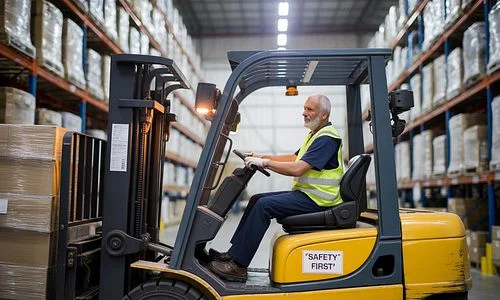
Counterbalance Forklift Operators are perhaps the most common. These operators handle the traditional sit-down forklifts you'll find in most warehouses. You'll be loading and unloading delivery vehicles, moving pallets around the warehouse floor, and organizing stock in designated areas. It's fundamental work, but it requires skill, precision, and a good understanding of warehouse safety protocols.
Reach Truck Operators work with those narrow-aisle machines designed for high-level picking in tightly configured warehouses. This role demands excellent spatial awareness and control because you're often working in confined spaces and at considerable heights. If you've got reach truck experience, you're in high demand – these positions typically command higher wages due to the specialized skill set required.
Pivot Steer and Bendi Operators represent another specialized niche. These articulated forklifts can operate in extremely narrow aisles, making them essential in high-density storage environments. Operators with these licenses are relatively rare, which translates to excellent job security and competitive pay rates.
Order Picker Operators use powered pallet trucks and order picking equipment to fulfill customer orders. This role often involves more walking and manual handling alongside machine operation, so it suits operators who prefer a bit more physical variety in their day.
Warehouse Leads and Senior Operators are roles for experienced forklift drivers who can take on supervisory responsibilities. These positions involve not just operating machinery but also coordinating other operators, ensuring compliance with safety standards, and possibly training newer team members.
The temporary versus permanent split is worth considering too. Some operators thrive on the flexibility of temp work – you can try different environments, work when you want, and gain diverse experience. Others prefer the stability and benefits that come with permanent positions. Team RAL can accommodate either preference.
What You'll Actually Be Doing Day-to-Day
Let's get specific about what a typical shift looks like, because understanding the reality of the work matters when you're considering a new role.
Your day usually starts with a pre-shift briefing. The warehouse supervisor or shift manager will outline the day's priorities – maybe there's a large shipment arriving that needs processing quickly, or perhaps there's a big order that needs picking and staging for dispatch. You'll learn what your specific responsibilities are and any special considerations for the day.
Before you touch a forklift, you'll complete a daily vehicle inspection. This isn't just bureaucracy; it's essential safety practice and usually a legal requirement. You'll check hydraulics, brakes, steering, lights, the mast, and the forks themselves. Any issues get reported and addressed before the machine goes into operation. Most warehouses use a checklist system to ensure nothing gets overlooked.
Once your machine is cleared for use, the real work begins. If you're on goods-in, you'll be unloading delivery trucks, checking pallets against delivery notes, and moving stock to appropriate holding areas or directly into racking systems. This requires attention to detail – damaged goods need flagging immediately, and everything must go in the right location to maintain inventory accuracy.
Goods-out operations involve picking orders from storage locations and staging them for dispatch. You might work from pick lists or handheld scanners that guide you to specific locations. The pressure can be intense here because dispatch deadlines are real – if that truck doesn't leave on time, the whole supply chain gets disrupted.
Stock rotation is another key responsibility. In warehouses handling food products, pharmaceuticals, or anything with an expiration date, proper FIFO (first in, first out) management is crucial. You'll be moving older stock forward and ensuring newer deliveries go to the back.
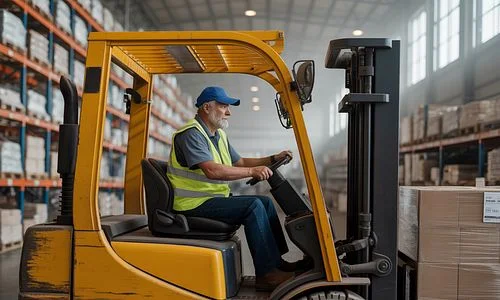
Throughout all this, you're constantly aware of your surroundings. Warehouses are busy environments with pedestrians, other forklift operators, loading bay activities, and various hazards. Safe operation means never getting complacent, following marked pedestrian routes and traffic flow systems, and using your horn appropriately.
Most shifts include designated breaks, but the pace between those breaks can be steady to intense depending on the operation. By the end of your shift, you'll have moved thousands of pounds of product, made dozens of precise lifts and placements, and played a crucial role in keeping goods flowing through the supply chain.
The License and Certification Requirements You Need
Here's something that catches people off guard: not all forklift licenses are created equal, and employers in Leeds are increasingly particular about what they'll accept.
The gold standard is accredited training certified by organizations like RTITB (Road Transport Industry Training Board), AITT (Association of Industrial Truck Trainers), or ITSSAR (Independent Training Standards Scheme and Register). These are nationally recognized qualifications that employers trust. If your license comes from one of these bodies, you're in good shape.
In-house training certificates are trickier. Some large companies train their operators internally, which is legally acceptable for operating forklifts on that company's premises. However, if you move to a new employer, they might not recognize that training. If you've only got in-house certification, it's worth considering getting properly accredited training through one of the recognized bodies. Team RAL can often advise on training providers if you need to upgrade your qualifications.
License types matter enormously. Just because you can drive a counterbalance doesn't mean you're qualified to operate a reach truck or a pivot steer machine. Each type requires specific training and certification. When applying through Team RAL, be honest about exactly what you're licensed to operate. Claiming qualifications you don't have won't help anyone and could put you in a dangerous situation.
Refresher training is often required if you've been out of forklift work for a while. Different employers have different policies, but if it's been more than five years since your last role, expect to need some form of update training. Even if it's been less time, many employers like operators to complete their internal familiarization training covering site-specific procedures and equipment.
Beyond the forklift license itself, you might need other certifications depending on the role. Some warehouses require a basic manual handling certificate. Others, particularly those dealing with hazardous materials, need specific safety training. If you're working in food distribution, you might need to complete food hygiene awareness courses.
Don't let expired or pending certifications stop you from reaching out to Team RAL though. They often work with operators who need to renew or upgrade qualifications and can sometimes connect you with employers who'll facilitate the necessary training as part of the onboarding process.
Pay Rates and What You Can Realistically Expect
Let's talk money, because that's obviously a major consideration when evaluating any job opportunity.
Entry-level counterbalance forklift operators in Leeds typically earn between £12.50 and £14.50 per hour. That might seem like a broad range, but several factors influence where you'll land within it. Your experience level matters – someone fresh out of training will start at the lower end, while an operator with a couple of years of solid experience can command more. The type of operation matters too; fast-paced distribution centers often pay more than quieter manufacturing environments because the work intensity is higher.
Experienced operators with specialized licenses see better rates. Reach truck operators typically earn between £12.50 and £14.50 per hour. Pivot steer and bendi operators, given how specialized those skills are, can command £13.00 to £15.50 per hour or even higher with the right employer.
Shift patterns significantly impact your take-home pay. Night shifts usually carry a premium – typically an additional £1.00 to £2.00 per hour compared to day rates. Weekend work often comes with enhanced rates as well, sometimes time-and-a-half on Saturdays and double-time on Sundays, though this varies by employer.
Overtime is common in logistics, especially during busy periods. If you're willing to be flexible and take additional shifts when they're available, you can substantially boost your earnings. Some operators effectively work out their annual salary based on a certain amount of guaranteed overtime.
Permanent positions often include additional benefits beyond the hourly rate. We're talking about company pension contributions, holiday pay (statutory minimum is 5.6 weeks, which works out to 28 days for full-time workers), sick pay, and sometimes benefits like subsidized canteen meals or employee discount schemes if you're working for a retailer.
Temporary work through an agency like Team RAL operates differently. The hourly rate might be competitive or sometimes even higher than permanent equivalents, but you're trading that for less job security and typically fewer benefits. However, temp work offers flexibility that some operators value highly – you can take time off between assignments without the pressure of requesting leave from an employer.
It's worth noting that the logistics sector in Leeds is competitive right now, and that competition extends to wages. Employers genuinely struggling to fill positions are often willing to negotiate on pay, particularly for experienced operators who can hit the ground running. Don't be afraid to have conversations about compensation – Team RAL can often advocate on your behalf during these discussions.
The Urgent Nature of Current Demand
The word "urgent" in recruitment ads sometimes feels overused, but in Leeds' logistics sector right now, it genuinely reflects reality. Let me explain why employers need forklift operators so desperately at the moment.
Seasonal patterns create predictable surges in demand. The run-up to Christmas is obviously massive – warehouses handling retail goods are operating at maximum capacity, often running extended hours or even 24/7 operations. But it's not just Christmas; there are other peaks throughout the year. January sales require preparation, back-to-school season in late summer creates another surge, and various retail promotional periods all need additional staffing.
What makes the current situation particularly acute is the combination of high demand with ongoing recruitment challenges. The logistics sector has grown rapidly, but the pipeline of qualified forklift operators hasn't expanded at the same pace. There's a genuine skills shortage, particularly for operators with clean safety records and experience in fast-paced distribution environments.
Some warehouses are operating below optimal efficiency simply because they don't have enough forklift operators. This means longer hours for existing staff, potential delays in processing goods, and pressure on the entire operation. When a warehouse manager can't fulfill orders on time because they're short-staffed, that's a serious business problem – and that's why they're willing to act quickly when suitable candidates come through agencies like Team RAL.
Brexit's impact on the labor market can't be ignored either. The logistics sector previously relied heavily on workers from EU countries. While the situation has stabilized somewhat, there's still a tighter labor market than there was five years ago, and that's particularly noticeable in operational roles like forklift operators.
From your perspective as a job seeker, this urgency works in your favor. Employers are more willing to consider a broader range of candidates, more open to negotiation on pay and conditions, and generally moving faster through the hiring process. Where it might once have taken weeks to go from application to start date, many employers are now onboarding new operators within days if all the checks and paperwork are in order.
What Employers Are Really Looking For
Beyond the obvious requirement of holding the right licenses, what do Leeds logistics employers actually want in a forklift operator?
Reliability tops almost every list. Warehouses run on tight schedules, and when operators don't show up, it creates immediate operational problems. Employers value candidates with strong attendance records and a professional approach to work. If you've got a history of turning up on time, every time, make sure that's highlighted.
Safety consciousness is non-negotiable. Forklift accidents can result in serious injuries, damaged stock, and regulatory investigations. Employers want operators who genuinely care about safety, not just those who go through the motions. If you've completed advanced safety training, worked in environments with excellent safety records, or have experience as a safety champion or first aider, these are major selling points.
Adaptability matters more than many people realize. Warehouses aren't static environments – processes change, new products come in with different handling requirements, and operators sometimes need to move between different types of equipment or work areas. Showing that you're flexible and can adapt to changing priorities makes you a much more attractive candidate.
Attention to detail prevents costly mistakes. Mixing up stock locations, loading the wrong products, or damaging goods through careless handling all create problems. Employers value operators who are methodical and careful in their work.
Communication skills might seem less obvious for a primarily practical role, but they're important. You need to understand instructions, report issues clearly, coordinate with other team members, and raise concerns when something's not right. Operators who can't communicate effectively create problems even if their technical skills are excellent.
Physical fitness is a practical consideration. While forklift operation isn't as physically demanding as pure manual handling roles, it still requires reasonable fitness levels. You're getting on and off the machine regularly, sometimes doing some manual handling alongside forklift work, and working full shifts that might be 8-12 hours long.
Clean driving license status helps, particularly if the role might involve occasionally moving trucks in the yard or if there's any potential for internal progression to LGV driving roles. It's not always essential, but it can be the tiebreaker between otherwise similar candidates.
How to Maximize Your Chances with Team RAL
If you're serious about landing one of these forklift operator roles through Team RAL, here's how to give yourself the best possible shot.
Get your documentation in order before you apply. Have your forklift licenses ready to provide – scan them or take clear photos. If you've got reference letters from previous employers, particularly ones that speak to your safety record and reliability, have those ready too. A basic CV outlining your work history is essential, but it doesn't need to be elaborate – clear, accurate, and honest is what matters.
Be upfront about your availability. If you can only work certain shifts or need specific days off, say so from the start. It's much better to be clear about limitations upfront than to accept a role and then immediately start requesting schedule changes.
Highlight your full range of licenses and experience. If you're qualified on multiple types of forklift, make sure that's clear. If you've worked in particularly challenging environments – cold storage, hazardous materials, high-speed distribution centers – mention it. These experiences demonstrate you can handle demanding situations.
Ask questions. Good recruitment is a two-way process. Ask Team RAL about the specific sites you'd be working at, the typical shift patterns, the types of goods being handled, what the work environment is like. This shows you're serious and helps ensure you end up in a role that actually suits you.
Be responsive. When Team RAL contacts you about a potential opportunity, respond quickly. Remember, demand is high and good roles fill fast. If you take three days to return a call or email, that position might already be filled.
Consider your longer-term goals. Are you looking for a temporary stopgap or a permanent career position? Are you interested in eventually moving into supervisory roles, or do you prefer to focus on operational excellence? Communicating these goals helps Team RAL match you with appropriate opportunities.
Be honest about any gaps or issues. If you've been out of forklift work for a while, if your license needs renewing, or if there's anything else that might be relevant – be upfront about it. These things rarely disqualify good candidates, but dishonesty definitely will.
The Broader Leeds Logistics Landscape
Understanding the wider context of Leeds' logistics sector helps you appreciate the opportunities available and make informed decisions about your career.
Leeds has attracted major distribution operations from household names you'd recognize. Without naming specific companies (as their recruitment needs fluctuate), the area hosts major retailers, online sellers, third-party logistics providers, manufacturing companies, and food distribution operations. This diversity is actually a strength for forklift operators – if one sector slows down, another is usually hiring.
The infrastructure supporting this growth continues to expand. New warehouse developments are regularly announced in and around Leeds, particularly in areas with good motorway access. This isn't a temporary boom that'll bust in a year or two; it's sustained growth driven by fundamental changes in how goods are distributed in the UK.
Leeds City Council and regional development bodies actively support logistics sector growth, recognizing its importance to the local economy. This means ongoing investment in transport infrastructure, skills training programs, and business support – all of which contribute to a healthy long-term outlook for logistics employment.
The skill development opportunities available in Leeds are worth considering too. Several training centers offer forklift certification courses, from basic counterbalance training to specialized equipment licenses. If you're looking to add qualifications or upgrade your skills, the infrastructure is there to support it.
Wage levels in Leeds offer a favorable balance compared to some other UK regions. While London might have higher headline rates, the cost of living in Leeds is significantly lower. Your money goes further here, which is why many logistics professionals find Yorkshire an attractive place to build their careers.
Working Conditions and What to Expect
Let's be realistic about working conditions because they vary significantly depending on the specific warehouse and role.
Temperature control is a big factor. Standard ambient warehouses are usually reasonably comfortable, though they can get warm in summer and cool in winter since they're large spaces with frequent door openings. Chilled and frozen storage facilities are a different story – you'll be working in cold conditions and need appropriate clothing. These roles typically pay a premium for the discomfort factor.
Noise levels vary but can be significant in busy warehouses with multiple forklifts operating, conveyors running, and truck movements. Most operations provide hearing protection where required, but it's something to be aware of.
Shift patterns cover the full spectrum. Some warehouses operate standard day shifts, Monday to Friday – great for work-life balance. Others run two-shift or three-shift patterns covering early mornings, afternoons, and nights. Then there are 24/7 operations that might include weekend work and rotating shifts. The pattern that suits you depends on your personal circumstances and preferences.
Physical demands are real, even though you're operating machinery. You're climbing on and off the forklift regularly, sometimes doing supplementary manual handling, standing or sitting for extended periods, and maintaining concentration throughout your shift. Most operators adapt quickly, but it's not a job where you can coast physically.
Workplace culture varies dramatically between different warehouses. Some have great team atmospheres with supportive management and social connections between staff. Others are more transactional with high turnover and less community feeling. If workplace culture matters to you, it's worth asking Team RAL about the environments at different sites.
Health and safety standards are generally high in established operations, particularly those run by major companies or reputable logistics providers. Regular safety training, well-maintained equipment, and clear procedures are the norm. Smaller operations can be more variable, which is why working through a reputable agency like Team RAL provides some assurance – they tend to work with legitimate employers who maintain proper standards.
Career Progression and Long-Term Opportunities
Forklift operation isn't necessarily a career endpoint – there are paths forward for ambitious operators who want to progress.
Senior Operator or Team Leader roles are the natural first step up. These positions involve leading a small team of forklift operators, ensuring safety compliance, possibly handling some scheduling or training responsibilities, and serving as the go-to person for technical or operational questions. The pay step-up is modest but meaningful, and it's good experience if you're interested in supervision.
Warehouse Supervisor positions oversee broader operations, managing multiple operators and other warehouse staff, coordinating workflow, handling performance management, and liaising with management on operational issues. This is a move into proper management and typically comes with significantly better pay and benefits.
Trainer or Assessor roles suit experienced operators who enjoy teaching. Becoming a certified forklift instructor allows you to train and assess new operators. This can be an excellent career path for those who find they prefer training to day-to-day operational work.
Health and Safety positions are another option. Experienced operators with strong safety track records sometimes move into dedicated safety roles, conducting risk assessments, investigating incidents, and maintaining safety management systems.
Warehouse Management represents the longer-term progression for those with the ambition and ability. Warehouse managers oversee entire operations, manage significant teams, control budgets, and carry serious responsibility. It's a well-compensated position but requires years of experience and typically some formal qualifications in logistics or management.
Some forklift operators leverage their warehouse experience to move into logistics coordination , inventory management , or supply chain planning roles. These office-based positions use your practical knowledge of warehouse operations but apply it in planning and coordination contexts.
The key point is this: starting as a forklift operator with Team RAL in Leeds can be the beginning of a substantial logistics career if that's what you want. The experience and connections you build in your initial roles can open doors to various progression paths.
Why Now Is the Time to Act
If you've been thinking about forklift operator roles in Leeds, this is genuinely an excellent time to make your move. The combination of urgent employer demand, competitive wages, variety of opportunities, and support from specialist agencies like Team RAL creates conditions that favor job seekers.
Waiting rarely improves your position in a job market like this. The roles available today will be filled quickly, and while new opportunities continually arise, there's no guarantee the market will stay this candidate-friendly indefinitely. Economic conditions change, seasonal peaks pass, and recruitment needs fluctuate.
For those currently unemployed or in unsatisfying roles, the barriers to entry are lower right now than they have been in years. Employers are more willing to consider candidates they might have passed over in tighter labor markets. If you've got the licenses and the willingness to work hard, there's almost certainly a suitable position available.
The reputation you build starting now will serve you throughout your logistics career. Employers remember reliable, skilled operators who consistently deliver. Starting with a specialist agency like Team RAL, demonstrating your value, and building a positive track record creates opportunities for permanent positions, pay progression, and career development.
Taking the Next Steps
Ready to explore these opportunities? Here's how to actually get the ball rolling with Team RAL.
Research the agency – look up Team RAL, understand what they offer, and read about their approach to warehouse recruitment. Most agencies have websites with information about how they work and what types of roles they typically handle.
Prepare your information – gather your forklift licenses, create or update your CV with relevant work history, and compile any references or supporting documents you might have.
Make contact – reach out to Team RAL through their preferred contact method, whether that's phone, email, or an online application form. Be professional but don't overthink it – recruitment agencies want to hear from qualified candidates.
Be ready for an initial conversation – they'll want to understand your qualifications, experience, availability, and what you're looking for. This is partly assessment and partly them gathering information to match you with suitable roles.
Follow their process – there will likely be some administrative steps like verification of qualifications, possibly an informal interview or assessment, and certainly some paperwork. Stay on top of these requirements to keep the process moving.
Stay engaged – once you're registered, maintain contact. Be responsive when they reach out about opportunities, provide feedback after interviews or trials, and keep them updated if your circumstances change.
Leeds' logistics sector is thriving, forklift operators are in genuine demand, and agencies like Team RAL exist specifically to connect qualified operators with employers who need them urgently. If you've got the licenses and the work ethic, the opportunities are there for the taking.
Frequently Asked Questions (FAQs)
To help you better understand the opportunities and requirements, here are some frequently asked questions:
1. What types of forklift licences are accepted for roles in Leeds through Team RAL?
We accept all nationally recognized and accredited forklift licences from bodies such as RTITB, ITSSAR, AITT, and NPORS. The specific types of trucks required will vary by role, but common demand is for Counterbalance, Reach, Bendi/Flexi, and Telescopic handler certifications. Having multiple endorsements can significantly increase your opportunities.
2. What is the typical salary for a forklift operator in Leeds?
Based on current market data for 2024-2025, licensed forklift operators in Leeds can expect to earn an average of £14.46 to £14.48 per hour. This equates to an annual salary of approximately £29,978. Actual earnings can fluctuate based on experience, specific equipment proficiencies, shift patterns (e.g., night shifts, weekend work), and overtime availability.
3. Do I need previous experience to apply through Team RAL?
For the urgent roles we specialize in, employers typically require candidates with demonstrable, recent experience as a licensed forklift operator. This ensures immediate productivity and adherence to safety standards. However, if you are newly licensed but highly motivated, we encourage you to still get in touch, as some entry-level or temp-to-perm opportunities may arise, or we can advise on pathways to gaining initial experience.
4. What does a specialist recruitment agency like Team RAL do for me that I can’t do myself?
Team RAL offers invaluable advantages: we provide access to exclusive, unadvertised roles from top employers; we offer expert CV and interview coaching to help you stand out; we handle salary negotiations on your behalf; and we meticulously match your skills and career aspirations with the right company culture, saving you significant time and effort in your job search.
5. What are the key safety considerations for forklift operators in a busy logistics hub?
Foremost among safety considerations are always conducting thorough pre-shift equipment checks, maintaining safe operating speeds, ensuring loads are stable and within capacity, being highly aware of pedestrians and other machinery, and consistently wearing appropriate Personal Protective Equipment (PPE). Promptly reporting any hazards or equipment faults is also critical to maintaining a safe working environment.