


Team RAL: Commis Chef Positions in Cardiff for Aspiring Culinary Professionals Learning Professional Cookery Skills and Food Preparation Techniques in High Quality Restaurant and Hotel Kitchens
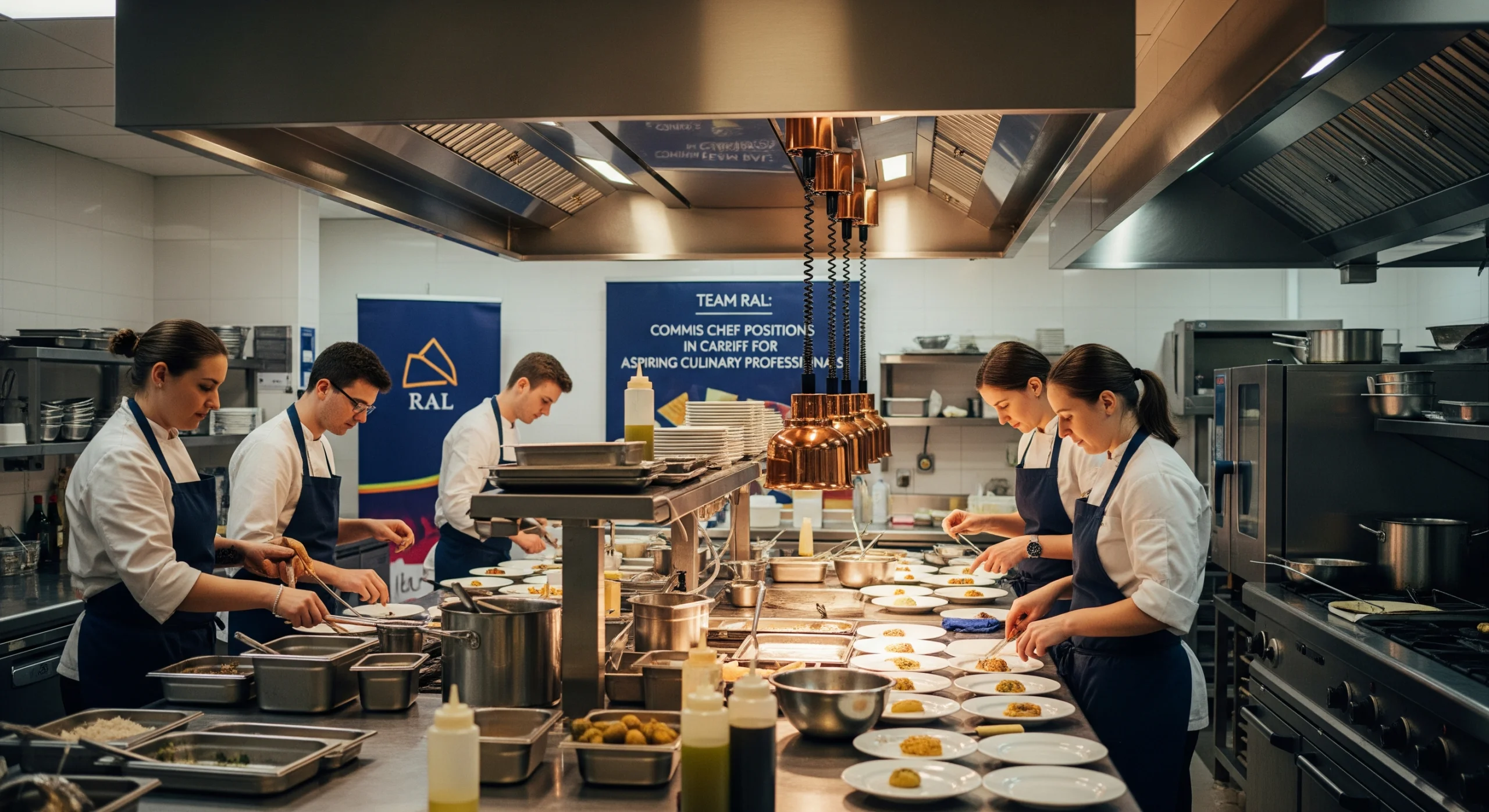
Starting a career in the culinary world can feel overwhelming, especially when you're trying to figure out where to gain real, hands-on experience. If you're an aspiring chef in Cardiff looking to develop professional cookery skills and master food preparation techniques, commis chef positions offer the perfect entry point. Team RAL has become a standout name in Cardiff's hospitality scene, providing opportunities for passionate individuals to work in high-quality restaurant and hotel kitchens where learning meets real-world application.
What is a Commis Chef Position?
A commis chef role is essentially your first step up the professional kitchen ladder. The term "commis" comes from French, meaning "apprentice" or "junior," and that's exactly what this position represents—a learning role where you're absorbing knowledge like a sponge while contributing to the kitchen's daily operations.
In this position, you'll work under the guidance of more experienced chefs, including chef de parties, sous chefs, and head chefs. You're not just watching from the sidelines; you're actively preparing ingredients, cooking dishes, maintaining cleanliness standards, and gradually building the skill set that'll define your culinary career. It's hands-on, fast-paced, and incredibly rewarding for those who genuinely love food.
The commis chef role isn't glamorous at first—you'll spend time chopping vegetables, preparing stocks, and ensuring mise en place is perfect. But this foundation is crucial. Every Michelin-starred chef started somewhere, and for most, that somewhere was a commis position where they learned the discipline, techniques, and mindset required to excel in professional kitchens.
Why Cardiff is an Excellent Location for Culinary Careers
Cardiff has transformed into a vibrant culinary destination over the past decade. The Welsh capital boasts an impressive food scene that ranges from traditional Welsh cuisine to innovative international concepts. This diversity creates exceptional opportunities for aspiring chefs to experience different cooking styles, ingredients, and techniques without leaving the city.
The city's restaurant and hotel industry has been growing steadily, with new establishments opening regularly alongside well-established venues that maintain high standards. From the bustling Cardiff Bay area with its waterfront restaurants to the Victorian arcades housing intimate bistros, there's a wide spectrum of kitchens where you can develop your craft.
Cardiff's culinary community is also known for being supportive and collaborative. Chefs here often share knowledge, and the city's size means you can build meaningful connections across the industry. Unlike London's sometimes cutthroat kitchen culture, Cardiff offers a more balanced approach where learning and development are genuinely prioritized.
The cost of living in Cardiff is significantly lower than in other UK cities with comparable food scenes, which means your commis chef salary goes further. You can actually afford to live reasonably close to where you work, reducing commute stress and giving you more time to focus on your culinary education.
Understanding Team RAL's Approach to Culinary Training
Team RAL has built its reputation on providing structured, quality-focused training environments for emerging culinary professionals. Their approach combines traditional kitchen hierarchy with modern mentorship practices, creating spaces where commis chefs can learn without the toxic pressure that unfortunately still exists in some professional kitchens.
What sets Team RAL apart is their commitment to comprehensive skill development. They don't just teach you how to dice an onion or sear a steak—they help you understand why certain techniques work, how flavors interact, and what professional standards actually mean in practice. This deeper understanding transforms you from someone who can follow recipes into a chef who can create and adapt.
The organization works with multiple high-quality establishments across Cardiff, meaning commis chefs often get exposure to different kitchen environments. This variety is invaluable because different restaurants have different strengths—one might excel in pastry, another in butchery, and yet another in modern plating techniques. Experiencing this range early in your career gives you a broader skill foundation.
Team RAL also emphasizes the importance of kitchen culture. They understand that learning happens best in environments where questions are encouraged, mistakes are treated as teaching moments, and respect flows in all directions. This philosophy creates kitchens where commis chefs feel confident asking for guidance rather than pretending they know something they don't.
Essential Professional Cookery Skills You'll Develop
Working as a commis chef in a professional kitchen exposes you to a comprehensive range of cookery skills that form the backbone of culinary expertise. These aren't skills you can fully master by watching YouTube videos or cooking at home—they require repetition, feedback, and the pressure of service to truly develop.
Knife skills are absolutely fundamental. You'll learn proper grip techniques, various cutting styles (julienne, brunoise, chiffonade, and more), and how to maintain your knives. Speed matters in professional kitchens, but accuracy and consistency matter more. You'll develop muscle memory that allows you to prepare ingredients quickly without sacrificing precision.
Sauce-making is another critical area. Understanding mother sauces and their derivatives, learning how to build flavors, achieving proper consistency, and fixing sauces that have broken or over-reduced—these skills separate competent cooks from actual chefs. You'll work with reductions, emulsifications, and liaisons until these techniques become second nature.
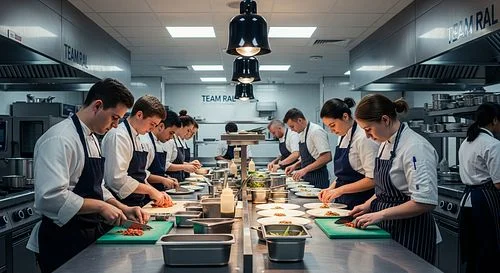
Cooking methods extend far beyond what most home cooks utilize. You'll master sautéing, roasting, braising, poaching, steaming, grilling, and more specialized techniques. Understanding when to use each method and how to adjust for different ingredients is knowledge that only comes through repeated practice in a professional setting.
Timing and organization might not seem like technical skills, but they're absolutely crucial. Professional cooking requires you to have multiple elements ready simultaneously, each cooked perfectly. This demands exceptional organizational abilities, time management, and the capacity to stay calm when multiple orders are firing at once.
Seasoning and tasting are skills that develop over time. You'll learn how to properly season at different cooking stages, how to taste critically, and how to adjust dishes that aren't quite balanced. Your palate becomes more refined as you taste ingredients, components, and finished dishes daily.
Food Preparation Techniques in Professional Settings
Food preparation in professional kitchens operates at a completely different level than home cooking. The volume, speed, and consistency requirements mean every technique must be efficient and reproducible.
Mise en place —having everything in its place—is the foundation of professional food preparation. Before service begins, everything must be prepared, portioned, and organized so that during service, cooking happens smoothly. You'll learn how to break down your prep work, estimate quantities needed, and set up your station for maximum efficiency.
Butchery skills are essential in quality establishments. You'll learn to break down whole fish, prepare poultry, portion meat, and understand different cuts. This knowledge helps you appreciate ingredient costs, minimize waste, and understand how different parts of proteins behave when cooked.
Vegetable preparation goes well beyond basic chopping. You'll learn techniques like turning vegetables, creating specific cuts for aesthetic purposes, blanching and shocking for color retention, and preparing vegetables in ways that maximize their flavor and texture.
Stock and foundation preparation forms the base of countless dishes. Understanding how to extract maximum flavor from bones and aromatics, achieve proper clarification, and create stocks with the right body requires attention to detail and patience. These foundations often determine whether a finished dish is good or exceptional.
Pastry and baking fundamentals are important even if you're focused on savory cooking. Understanding dough handling, working with different flours, tempering chocolate, and creating basic pastry components makes you a more versatile chef and opens up more opportunities.
The Reality of Working in High-Quality Restaurant and Hotel Kitchens
Let's be honest—professional kitchens are demanding environments. The work is physically exhausting, the hours are long, and the heat is intense. But for people who genuinely love cooking, there's nothing quite like the energy of a busy service or the satisfaction of plating a beautiful dish.
High-quality establishments maintain exacting standards. Every plate must meet specifications for portion size, presentation, and temperature. This consistency is what builds a restaurant's reputation, and as a commis chef, you're part of maintaining that standard. The pressure can be intense, but it also pushes you to improve rapidly.
The physical demands shouldn't be underestimated. You'll be on your feet for 10-12 hours, working in hot conditions, lifting heavy pots, and moving quickly through tight spaces. Building stamina and taking care of your body becomes essential. Proper shoes, staying hydrated, and learning to pace yourself are all part of surviving in professional kitchens.
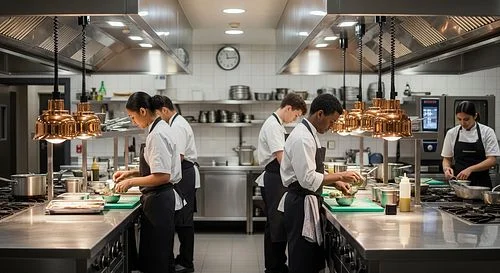
Team dynamics play a huge role in how enjoyable and educational your experience will be. Quality establishments foster teamwork where everyone supports each other during rushes, shares knowledge, and celebrates successes together. This camaraderie often becomes one of the most rewarding aspects of kitchen work.
The feedback in professional kitchens is direct—sometimes brutally so. If you overcook something or make a mistake, you'll know immediately. While this can feel harsh initially, it's actually beneficial because you learn quickly what works and what doesn't. Developing a thick skin while remaining receptive to criticism is part of the growth process.
Career Progression Opportunities for Commis Chefs
Starting as a commis chef is just that—a start. The culinary field offers clear progression pathways for those who demonstrate skill, dedication, and a willingness to keep learning.
After gaining experience as a commis chef, the next step is typically chef de partie (station chef), where you take full responsibility for a specific section of the kitchen—perhaps pastry, fish, or meat. This role requires not only technical skill but also the ability to manage your section during service and train more junior staff.
From there, progression to sous chef positions becomes possible. Sous chefs are second-in-command in the kitchen, responsible for overseeing multiple sections, managing staff schedules, ordering ingredients, and stepping in when the head chef is unavailable. It's both a cooking role and a management position.
Eventually, head chef or executive chef positions become attainable. At this level, you're responsible for menu creation, kitchen profitability, staff management, and maintaining the establishment's culinary reputation. It's the role where your vision and creativity can truly flourish.
Some chefs also branch into specializations —becoming pastry chefs, butchers, private chefs, or food consultants. Others move into culinary education, food media, or restaurant ownership. The skills you develop as a commis chef open doors to numerous career directions.
Team RAL's network of establishments provides opportunities to progress within their portfolio or gain references that open doors elsewhere. Many successful Cardiff chefs started their careers in Team RAL kitchens, demonstrating the quality of training and opportunities available.
Qualifications and Training Pathways
While passion and commitment are essential, formal qualifications can accelerate your career progression and provide structured learning alongside hands-on experience.
NVQ qualifications in Professional Cookery (Levels 1-3) are industry-recognized credentials that validate your skills. Many commis chef positions offer opportunities to work toward these qualifications while employed, combining practical experience with formal assessment.
Apprenticeship programs provide structured training that combines workplace learning with classroom instruction. These programs typically last 12-24 months and result in recognized qualifications. Team RAL often participates in apprenticeship schemes, making them accessible to commis chefs.
Culinary school before entering professional kitchens can provide a strong foundation, though it's not essential. Some chefs prefer learning entirely on the job, while others value the structured environment and theory that culinary education provides. Both pathways can lead to successful careers.
Continuous professional development doesn't stop once you're working. Attending workshops, learning new cuisines, staying updated on food trends, and seeking mentorship from experienced chefs all contribute to your ongoing growth. The best chefs remain students throughout their careers.
Food safety certifications are mandatory in professional kitchens. Level 2 Food Safety & Hygiene certification is typically the minimum requirement, with higher-level qualifications becoming important as you progress into management roles.
What Employers Look for in Commis Chef Candidates
Understanding what employers value helps you position yourself as an attractive candidate and focus on developing the right attributes.
Genuine passion for food and cooking is absolutely essential. Employers can tell the difference between someone who loves cooking and someone just looking for any job. Your enthusiasm needs to be authentic because that passion will sustain you through the challenging early years.
Willingness to learn and take direction matters more than existing skills for entry-level positions. Employers know they'll teach you techniques; what they can't teach is humility and eagerness to improve. Being coachable is arguably more important than being skilled when you're starting out.
Reliability and punctuality are non-negotiable in professional kitchens. When service starts at a specific time, every team member must be present and ready. Building a reputation as someone who shows up on time, every time, matters enormously.
Physical stamina and the ability to handle the demanding nature of kitchen work are important. Employers need to know you can handle long shifts, maintain energy during busy services, and keep performing when you're tired.
Teamwork and communication skills determine whether you'll fit into the kitchen culture. Being able to take feedback without becoming defensive, communicate clearly during service, and support your colleagues makes you someone people want to work with.
Basic knowledge of ingredients, techniques, and food safety demonstrates that you've done your homework. While you're not expected to know everything, showing that you've made an effort to learn fundamentals signals serious intent.
The Learning Environment in Team RAL Kitchens
The quality of your learning environment dramatically affects how quickly you develop and how sustainable your career becomes. Team RAL has intentionally created kitchens where education and excellence coexist.
Structured mentorship means you're not just figuring things out through trial and error. Experienced chefs provide guidance, demonstrate techniques, and offer feedback that accelerates your learning. This mentorship model prevents you from developing bad habits that would need correcting later.
Progressive responsibility allows you to take on more complex tasks as your skills develop. You might start with basic prep work, gradually moving to cooking during service, and eventually taking responsibility for specific dishes or components. This measured progression builds confidence alongside competence.
Exposure to quality ingredients and techniques gives you experience with premium products and high standards from the beginning. Working with excellent ingredients teaches you what properly sourced, seasonal produce tastes like, which shapes your understanding of quality.
Cross-training opportunities in Team RAL establishments mean you're not locked into one position. Experiencing different sections of the kitchen—larder, hot line, pastry—creates versatility and helps you discover where your interests and talents lie.
Feedback culture in these kitchens emphasizes constructive criticism that helps you improve rather than just pointing out failures. Understanding not just what you did wrong but how to fix it makes feedback genuinely educational rather than demoralizing.
Balancing Work-Life While Building Your Culinary Career
The hospitality industry's demanding schedule is well-known, and finding balance is an ongoing challenge that every chef faces. However, it's possible to build a sustainable career without completely sacrificing your personal life.
Understanding the commitment required is the first step. You'll work evenings, weekends, and holidays—the times when most people dine out. Accepting this reality rather than resisting it helps you plan your life around these schedules rather than feeling constantly frustrated.
Finding time for rest and recovery isn't optional; it's essential for longevity in this career. Quality sleep, proper nutrition, and occasional breaks prevent burnout and keep you performing at your best. The kitchen culture that glorifies working yourself into exhaustion is gradually shifting toward more sustainable practices.
Building relationships outside work requires intentional effort when your schedule differs from most people's. Finding friends within the industry who work similar hours, scheduling catch-ups on shared days off, and making the most of your free time becomes important.
Setting career milestones helps you see progress even when days feel repetitive. Tracking skills you've mastered, dishes you've learned, or qualifications you've earned reminds you that you're building something meaningful, not just surviving each shift.
Choosing supportive employers like Team RAL, which recognize the importance of reasonable schedules and staff wellbeing, makes an enormous difference. Not all kitchen environments are equally sustainable, and finding employers who value their team's health affects your entire career trajectory.
Financial Considerations and Salary Expectations
Let's talk money—because while passion matters, you also need to pay rent and eat. Understanding financial realities helps you plan accordingly and set realistic expectations.
Commis chef positions in Cardiff typically start around £18,000-£22,000 annually , depending on the establishment's quality, your experience level, and whether accommodation is included. These numbers might seem modest, especially compared to other careers requiring similar dedication, but they increase as you progress.
Additional benefits often include meals during shifts (which significantly reduces food expenses), uniform provision, and sometimes accommodation in hotel settings. These perks have real financial value even if they don't show up in your salary figure.
Progression brings salary increases. Chef de partie positions typically range from £22,000-£28,000, sous chef roles from £28,000-£35,000, and head chef positions from £35,000 upward, potentially reaching £50,000+ in high-end establishments. The financial picture improves considerably as you advance.
Tips and service charges in some establishments provide additional income, though this varies greatly depending on the venue and how tips are distributed. Some restaurants pool and share tips among all staff, while others have different arrangements.
Financial planning becomes important on a commis chef salary. Cardiff's relatively affordable cost of living helps, but budgeting carefully, perhaps living with roommates initially, and minimizing debt allows you to focus on career development without constant financial stress.
The Future of Cardiff's Culinary Scene and Career Opportunities
Cardiff's food scene continues evolving, creating ongoing opportunities for skilled culinary professionals. Understanding where the industry is heading helps you position yourself advantageously.
Sustainability and local sourcing are becoming increasingly important. Restaurants emphasizing Welsh ingredients, ethical sourcing, and minimal waste appeal to conscious diners. Developing knowledge about local producers, seasonal cooking, and sustainable practices makes you more valuable.
Diverse culinary influences continue enriching Cardiff's food landscape. The city's growing international community brings authentic cuisines from around the world, creating opportunities to learn techniques and flavor profiles beyond traditional Western cooking.
Food tourism is growing in Wales, with Cardiff as a gateway destination. High-quality dining experiences attract visitors, supporting the restaurant industry and creating jobs for skilled chefs who can deliver memorable meals.
Hotel and event hospitality remains strong in Cardiff, with major venues hosting conferences, weddings, and events that require skilled kitchen teams. This sector provides alternative career paths to restaurant cooking while utilizing the same core skills.
Innovation and creativity are increasingly valued in Cardiff's dining scene. Establishments that push boundaries while maintaining quality attract attention and acclaim. Developing both technical proficiency and creative thinking positions you well for these opportunities.
Frequently Asked Questions (FAQs)
1. Do I need formal culinary qualifications to apply for a Commis Chef role with Team RAL?
Not necessarily! While a culinary degree or NVQ Level 2/3 in Professional Cookery is a great bonus, it is not always a dealbreaker. Many of the Head Chefs we work with in Cardiff value attitude and passion over paper qualifications. If you are eager to learn, reliable, and have a genuine love for food, many kitchens are willing to train you from scratch. However, having a basic Food Hygiene Certificate (Level 2) is a strong advantage and shows you are serious.
2. What kind of hours can I expected to work?
Hospitality is famous for its long hours, but the industry is changing. While you should expect to work evenings, weekends, and public holidays (as that is when people eat out!), many of our clients in Cardiff are moving toward better work-life balance.
Typically, you might work a "split shift" (morning prep, break in the afternoon, evening service) or straight shifts. A standard week is usually between 40 to 48 hours, though this can increase during busy periods like Christmas or summer events. We always try to match candidates with kitchens that align with their availability.
3. What is the salary range for a Commis Chef in Cardiff?
Salaries have improved significantly in recent years due to the demand for chefs. As of 2024/2025, a Commis Chef in Cardiff can expect to earn between £24,000 and £27,000 per year, depending on the establishment and your experience level.
On top of your base salary, you will almost always receive a share of the tips (tronc) , which can add a significant amount to your take-home pay—sometimes an extra £2,000 to £4,000 a year. Some hotels also offer perks like gym memberships, discounted stays, and free meals on duty.
4. What equipment do I need to bring on my first day?
For a Commis Chef, the requirements are usually minimal, but being prepared looks good.
- Knives: Most chefs prefer to bring their own knives. A basic set (Chef’s knife, Paring knife, Serrated knife) is a great start. However, some kitchens have house knives you can use.
- Uniform: Ask your recruiter at Team RAL. Some hotels provide and launder your chef whites (jackets and trousers), while smaller restaurants may expect you to bring your own clean whites and an apron.
- Safety Shoes: This is non-negotiable. You need non-slip, steel-toe-capped kitchen shoes (like Birkenstock or Crocs Professional) to keep you safe on slippery floors.
5. Can Team RAL help me if I want to specialize in something specific, like Pastry?
Absolutely. The "Commis" title is general, but if you have a burning desire to work specifically with chocolate, sugar, and dough, let us know immediately. We work with kitchens that have dedicated Pastry sections. We can position you as a "Commis Pâtissier." This means your training will focus entirely on baking, desserts, and afternoon tea preparation rather than the hot kitchen (meat/fish). Specializing early can be a great career move if you know that is your passion.