


Future-Proof Your Team: Advanced Candidate Screening Strategies for 2026
Discover the cutting-edge methods and AI-powered tools that will define how you find talent, hire employees, and build resilient teams for the future.
Optimize Your Hiring Process Today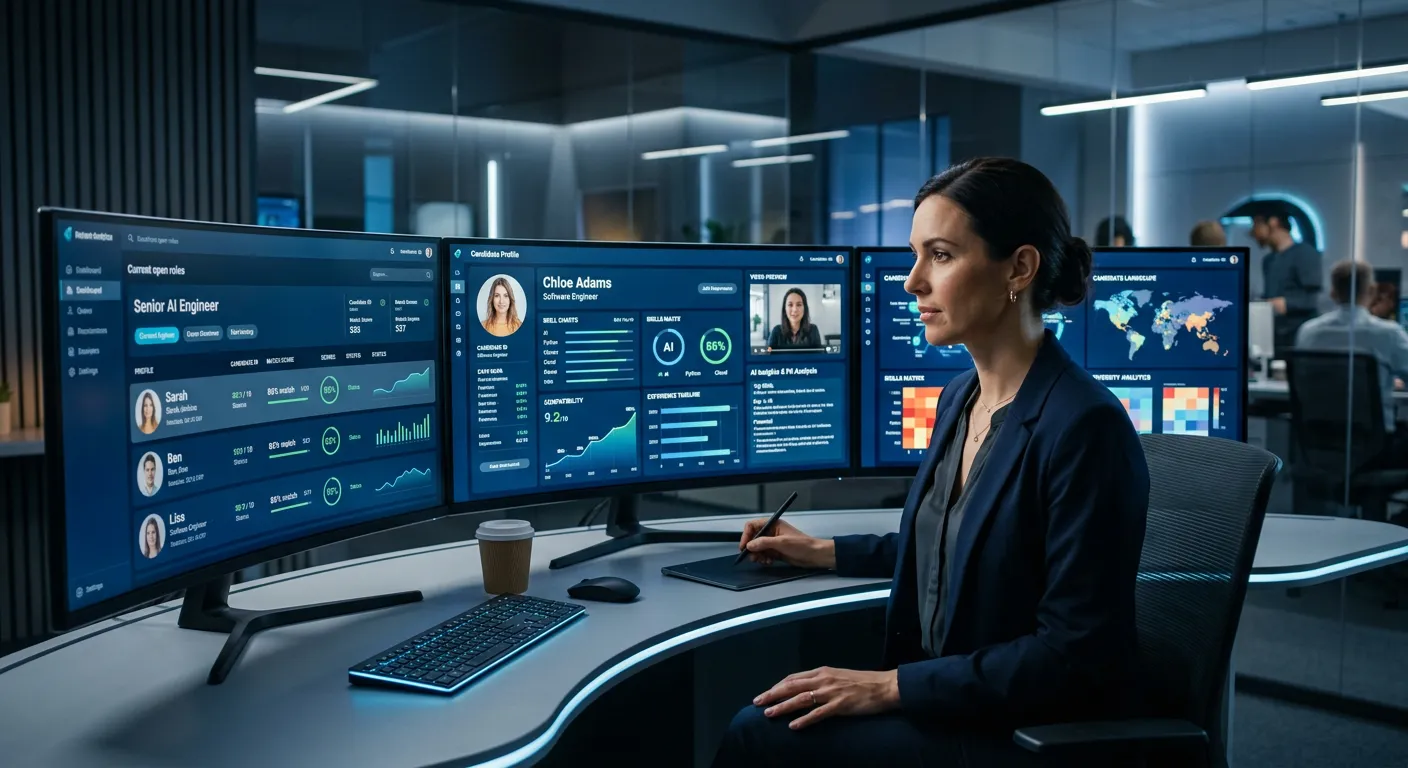
The landscape of talent acquisition is undergoing a seismic shift. As we look towards 2026, the traditional resume-and-interview funnel is no longer sufficient to secure the best hire employees in a competitive, skill-driven market. Businesses must evolve their candidate screening strategies for 2026 to incorporate predictive analytics, skills-based assessments, and a deepened understanding of candidate potential. This comprehensive guide will navigate you through the essential frameworks, technologies, and human-centric approaches required to find talent efficiently and build a workforce poised for future challenges. Whether you're considering recruitment outsourcing or refining in-house processes, these strategies are your blueprint for success.
The Multi-Dimensional Screening Framework for 2026
A one-size-fits-all approach to screening is obsolete. Explore the core pillars of a modern screening strategy through the categories below.
AI-Powered & Technological Screening
Leveraging artificial intelligence is no longer a luxury but a necessity for scalable and unbiased screening. Tools can now analyze video interviews for micro-expressions, parse project portfolios for relevant skills, and predict cultural fit based on anonymized data points. The key for 2026 is ethical AI—using technology to augment human judgment, not replace it. For instance, when seeking specialized roles like a Physical Therapist in Wembley or a Spa Therapist, AI can first verify certifications and scan for specific therapeutic keywords before a human recruiter engages, dramatically speeding up the talent sourcing process.
Pro-Tip:
Implement AI as a first-pass filter for high-volume roles (e.g., Warehouse Operatives, Housekeeping staff) to screen for basic availability, location, and license requirements (like forklift certification). This frees your team to focus on nuanced evaluation for complex positions.
Human-Centric & Skills-Based Evaluation
While technology handles volume, the human element determines quality. The focus in 2026 shifts from"years of experience" to demonstrable skills and behavioral competencies. Structured interviews, work-sample tests, and scenario-based assessments will be paramount. For customer-facing roles, such as those in Front of House or Catering Staffing, screening must evaluate soft skills like empathy, grace under pressure, and problem-solving—qualities no algorithm can fully gauge. Partnering with a specialist agency can provide access to pre-vetted candidates who have already passed rigorous behavioral assessments, a core part of effective HR solutions.
Operational Efficiency & Process Optimization
Speed and candidate experience are critical competitive advantages. Streamlined screening processes that provide quick feedback keep top candidates engaged. This is especially vital for roles requiring an immediate start, such as in Warehouse Jobs in London or Events Crew. Automating scheduling, centralizing communication, and using candidate scorecards reduce time-to-hire. Recruitment outsourcing to a partner with a robust operational backbone can turn screening from a bottleneck into a seamless, rapid pipeline, ensuring you never miss out on in-demand talent.
Key Benefits of Modern Screening Strategies
Higher Quality of Hire
Moving beyond resumes to skills-based and predictive assessments ensures you select candidates who will perform and stay longer. This is crucial for both permanent roles and staff augmentation needs, where a poor fit can disrupt project timelines.
Reduced Time-to-Productivity
Efficient screening pipelines, often powered by specialized HR solutions, get candidates into roles faster. For sectors like hospitality or logistics, where demand is immediate, this speed is revenue-critical. Explore our solutions for Immediate Start Recruitment in London.
Significant Cost Savings
Advanced screening minimizes bad hires, which are astronomically expensive. It also optimizes advertising spend by targeting the right talent pools. Leveraging an agency's existing candidate database for roles like Cleaners or Kitchen Staff further reduces acquisition costs.
Implementing a Future-Ready Screening Process: A Step-by-Step Guide
Step 1: Redefine Your Ideal Candidate Profile (ICP)
Forget generic job descriptions. Start with a data-driven Ideal Candidate Profile. For a Hotel Housekeeping Supervisor, this goes beyond"management experience" to include specific leadership competencies, proficiency with housekeeping software, and stress tolerance metrics. Collaborate with hiring managers to list must-have skills, nice-to-have attributes, and core values. This ICP becomes the benchmark for all screening activities, ensuring alignment and objectivity. This is the foundational step to optimize hire employees processes.
Step 2: Leverage Multi-Modal Assessments
A single interview is insufficient. Implement a layered approach:
- Asynchronous Video Interviews: Candidates answer pre-set questions on video. This allows for flexible scheduling and assessment of communication skills for roles like Receptionists or Waitstaff.
- Practical Work Samples: For a Handyman, this could be a virtual wiring diagram test. For a Picker and Packer, a timed, simulated order-picking scenario.
- Personality & Cognitive Assessments: Use scientifically validated tools to gauge problem-solving style and cultural fit, crucial for team cohesion in dynamic workforce solutions.
Step 3: Incorporate Continuous Screening & Talent Pooling
Screening shouldn't start when a role opens. Proactive companies are building evergreen talent pools. Engage with potential candidates through webinars, industry forums, and keep a database of past applicants who were strong but not selected. When a need arises for, say, Warehouse staff in a specific location, you can tap into a pre-qualified pool, cutting screening time by over 70%. This is a cornerstone of strategic talent sourcing.
Step 4: Prioritize Candidate Experience & Communication
A slow, opaque screening process damages your employer brand. Use automation to send status updates, provide constructive feedback to rejected candidates, and ensure interviewers are trained and prepared. A positive experience, even for those not hired, turns candidates into brand advocates. This is especially important in high-turnover sectors where word-of-mouth matters, such as Hospitality and Temporary Staffing.
Expert Insight:
"The screening process is your first major touchpoint with a potential employee. It sets the tone for the entire employment relationship. Inefficient or disrespectful screening will cause top talent to self-select out, often accepting offers from your competitors who have streamlined their approach." – Head of Talent Acquisition.
Frequently Asked Questions on Modern Screening
Ethically designed AI tools can be programmed to ignore demographic identifiers like name, gender, age, and postcode, focusing solely on skills, experience keywords, and assessment results. This creates a"blind" first screen. However, human oversight is critical to audit AI decisions for patterns that may indicate hidden bias. The goal is structured, objective evaluation—a significant improvement over the unconscious biases prevalent in traditional resume screening.
Absolutely."Unskilled" is a misnomer; every role requires competencies. For a Warehouse Assistant, relevant skills include attention to detail, basic numeracy, physical stamina, and adherence to safety protocols. Screening can involve a simple virtual safety quiz or a short scenario about handling a discrepancy in an order. For Housekeeping jobs, a time-management or prioritization question can be highly revealing. It's about identifying the core behaviors that predict success in the specific role.
Outsourcing is highly effective when: 1) You lack in-house recruitment expertise or technology, 2) You're experiencing rapid growth or seasonal spikes (e.g., needing temporary cleaning staff for a project), 3) You need to fill specialized, hard-to-find roles quickly, 4) Your internal team is overwhelmed, leading to slow hiring and lost candidates. A specialist agency brings market knowledge, established candidate networks, and proven screening methodologies that deliver vetted talent faster, acting as an extension of your comprehensive staffing solutions.
Ready to Transform Your Candidate Screening for 2026?
Stop letting outdated processes slow you down. Implement these forward-thinking candidate screening strategies to secure the best hire employees, reduce costs, and build a future-ready workforce. Whether you need support for a single critical role or a complete overhaul of your talent sourcing pipeline, we have the expertise and technology to help you succeed.
Need specialized help? We excel in Kitchen Staff Hiring, Warehouse Operatives, and Front of House staffing across the UK.
The Data-Driven Screening Dashboard: Metrics That Matter in 2026
Moving to advanced screening requires shifting from gut feeling to data intelligence. A robust screening dashboard tracks more than just time-to-fill. To truly optimize hire employees outcomes, you must monitor predictive metrics that correlate with long-term success. These include:
- Quality of Hire Score: A composite metric combining first-year performance review scores, 360-degree feedback, and retention at the 12-month mark. This is the ultimate measure of screening effectiveness.
- Screening Funnel Conversion Rates: Analyze drop-off points. Is there a 70% attrition after the asynchronous video interview? This could indicate the assessment is too lengthy or poorly communicated, a common issue when screening for high-volume roles like Temporary Staff.
- Candidate Net Promoter Score (NPS): Survey all applicants on their screening experience. A low cNPS signals process flaws that damage your employer brand and deter top talent, especially in tight markets like Hospitality Staffing.
- Source of Hire & Screening Performance: Which talent sources (job boards, agency partnerships, referrals) yield candidates who consistently pass your skills assessments? Double down on those channels for efficient talent sourcing.
Implementing this dashboard allows for continuous A/B testing of your screening methods. For example, you might test two different work samples for a Handyman role and see which one better predicts on-the-job problem-solving as rated by supervisors.
Case Study: Reducing Turnover by 40% in Logistics Through Predictive Screening
A mid-sized UK logistics firm faced a critical challenge: 60% annual turnover among its Warehouse Operatives, leading to massive training costs and operational instability. Their screening consisted of a basic application and a 15-minute interview.
The Intervention:
Partnering with a specialist agency, they co-developed a three-tier screening filter:
- AI-Powered Resilience & Safety Aptitude Test: A 10-minute, gamified assessment measuring attention to detail, reaction time in simulated environments, and adherence to procedure.
- Structured Behavioral Interview: A scripted interview focusing on past experiences handling repetitive tasks, schedule flexibility, and resolving minor conflicts with teammates.
- Realistic Job Preview (RJP) Video: Candidates watched a day-in-the-life video showcasing the physical demands and pace of the role, followed by a few questions to gauge realistic expectations.
The Result:
Within six months, turnover plummeted to 20%. The predictive screening identified candidates whose profiles aligned with long-term success in that specific environment. The RJP alone reduced"shift no-shows" by 50%, as candidates self-selected out if the role wasn't a fit. This case underscores that even for operational roles, sophisticated candidate screening strategies for 2026 are a direct lever on profitability and operational resilience.
Navigating Legal and Ethical Considerations in Advanced Screening
As screening tools become more powerful, so does the regulatory scrutiny. GDPR in the UK and evolving AI ethics laws mandate transparency and fairness. Your screening process must be defensible.
🚨 The Compliance Checklist
- Data Privacy: Clearly inform candidates how their assessment data (video, test results) will be used, stored, and deleted. This is non-negotiable.
- Algorithmic Audit Trail: For any AI tool, you must be able to explain, in simple terms, the primary factors it uses to score candidates."Black box" algorithms are a legal risk.
- Reasonable Accommodation: Ensure all assessments (e.g., timed cognitive tests for Pickers and Packers) can be adjusted for candidates with disabilities, without compromising the skill being measured.
- Adverse Impact Analysis: Regularly statistically analyze your screening outcomes by demographic group. If a tool disproportionately rejects candidates from a protected group, it must be re-calibrated or abandoned.
✅ Building an Ethical Foundation
Beyond compliance, ethical screening builds trust. This includes:
- Transparency: Tell candidates they will be assessed by AI and explain how it benefits them (e.g., reduces human bias).
- Feedback Rights: Offer constructive feedback to rejected candidates upon request. This demonstrates respect and turns a rejection into a developmental opportunity.
- Human-in-the-Loop: Never allow an AI to make a final hiring decision. Use it to surface the most promising candidates for human evaluation, ensuring nuanced judgment is applied, especially for roles requiring interpersonal nuance like Front of House staff.
The Role of Specialized Recruitment Partners in Scaling Your Screening
Building a cutting-edge screening infrastructure in-house requires significant investment in technology, data scientists, and process design. For many organizations, a strategic partnership with a specialist recruitment agency is the most agile path to world-class screening. These partners act as force multipliers for your HR solutions.
How a Specialist Agency Elevates Your Screening:
1. Pre-Built Talent Pools
They maintain vast, pre-assessed networks for niche roles. Need a Hotel Housekeeping Supervisor with specific PMS software experience? They likely have 5 pre-vetted candidates ready for your final interview, bypassing weeks of sourcing and initial screening.
2. Domain-Specific Assessment Libraries
They possess validated tests and scenarios tailored to specific industries. Their assessment for a Spa Therapist will accurately gauge consultation skills and product knowledge, something a generic personality test cannot achieve.
3. Market Intelligence & Benchmarking
They provide data on what screening stages competitors use, what compensation packages are succeeding, and what candidate expectations are in real-time for your local market, whether you're looking in London or regionally.
Looking Beyond 2026: The Emerging Frontiers of Candidate Screening
The evolution will not stop. Forward-thinking organizations are already piloting the next wave of screening innovations that will become mainstream by the end of the decade.
🔮 Immersive Skill Assessment in Virtual Reality (VR)
Imagine placing a candidate for an Events Crew role into a virtual event hall and asking them to safely assemble a stage truss under a simulated time pressure. VR allows for risk-free, highly realistic evaluation of spatial reasoning, procedural knowledge, and soft skills in dynamic environments, providing a depth of insight far beyond a paper-based test.
🔮 Predictive Analytics for Team Composition
Screening will move beyond evaluating individuals to predicting team synergy. Algorithms will analyze the working styles, cognitive diversity, and personality traits of your existing team (e.g., your kitchen brigade) and screen for a new Chef de Partie whose profile complements and strengthens the group's overall dynamic, reducing conflict and boosting collective performance.
🔮 Blockchain-Verified Credentials & Micro-Credentials
The manual verification of licenses, degrees, and certificates will vanish. Candidates will own portable, tamper-proof digital records of their qualifications—from a university degree to a specific hygiene certificate needed for Catering Staff. Screening will instantly and reliably authenticate these credentials, saving days of administrative work.
The organizations that will win the war for talent are those that view candidate screening not as an administrative hurdle, but as a core strategic function—a continuous, data-rich, and empathetic process that is integral to building a resilient and innovative organization. By embracing these multi-dimensional candidate screening strategies for 2026 and beyond, you secure more than just employees; you secure your company's future capacity to adapt, grow, and lead.
Assess Your Screening Maturity Level
Where does your organization stand on the path to future-proof screening? Answer these key questions to identify your next priority.
1. How do you primarily assess skills for a role like Waitstaff?
2. What is your process for screening high-volume applications for Cleaner roles?
3. How do you ensure fairness and reduce unconscious bias in initial screening?
Mostly A's: Your screening is reactive and traditional. Consider foundational technology and process redesign to start finding talent more efficiently.
Mostly B's: You're on the right track with some modern practices. Focus on integrating skills-based assessments and deeper analytics.
Mostly C's: You're a leader! Your challenge is to refine predictive metrics and explore emerging tech like VR assessments.